














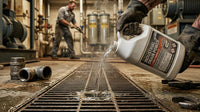









Choosing paint thinner for oil based paint starts with the paint label, not a guess based on a familiar solvent name. The right product depends on the coating and the task: thinning for application, cleaning tools, and treating a spill are different jobs. Check the manufacturer's directions first, use only a compatible product, and plan for ventilation and the protective equipment named on the labels.
Call Integrity Supply at 866-918-0300 for product help
What does paint thinner do with oil-based paint?
Oil-based coatings do not clean up with water in the way many water-based paints do. A compatible solvent may be specified to adjust a coating for application or to clean brushes and other tools. That does not mean every solvent is interchangeable, or that thinner should automatically be added whenever paint seems thick.
Follow the can or product data directions for the particular paint. Some coatings are designed to be used as supplied. Others may allow a limited amount of a named thinner for a specific application method. A product may also give separate instructions for cleanup. Read the complete direction, including any stated maximum amount, rather than relying on a general rule for every oil-based paint.
The intended task matters as much as the paint type. When changing viscosity for application, the thinner must be allowed for that coating and method. When cleaning a brush, use the cleanup material specified by the paint maker. If you are removing a spill or cleaning a finished surface, those instructions may differ again. A container labeled thinner is not automatically appropriate for all three uses.
It helps to define the goal before selecting a product. Are you trying to make a coating suitable for a particular application method? Are you cleaning wet paint from an applicator? Are you dealing with a small accidental drip? Write down the product name and the task, then check instructions that specifically cover that combination. This simple pause reduces the chance of using the right kind of product for the wrong job.
How do you choose paint thinner for oil-based paint?
Use this sequence before opening a solvent container:
- Identify the coating. Find the product name and confirm that the coating is oil-based. Do not infer compatibility from the color, sheen, age, or the fact that it was used on an earlier project.
- Read the manufacturer's directions. Check the paint can and the technical directions supplied for the coating. Look for the exact thinner or solvent named, the approved use, and any amount or application limits.
- Match the use. Confirm whether the directions concern thinning, equipment cleanup, or another purpose. A solvent recommended for one step is not necessarily approved for the others.
- Check the solvent label. Make sure it identifies the intended use and includes handling directions. Keep the product in its original, labeled container so you can refer to the instructions later.
- Check the work conditions. Read the required ventilation, protective equipment, fire prevention, storage, and first-aid information before beginning.
- Stop if instructions are unclear. Ask the paint manufacturer or a knowledgeable supplier before mixing products. Do not experiment with an unknown solvent in a full can or on a finished surface.
When a label names a specific product or solvent type, treat that as the controlling instruction. A general description such as paint thinner may refer to products with different formulations. The name alone does not confirm that a particular container is appropriate for your paint.
Keep the product identification available when asking for help. A clear photo of the front label and the directions panel, plus the exact coating name and planned method, is more useful than asking whether a generic thinner works with oil paint. If the coating is from an older project, also note whether it has been opened, how it was stored, and whether its directions are still readable. Do not assume an old solvent or an unlabeled liquid is suitable because it worked once.
| Job | What to verify | Practical next step |
|---|---|---|
| Adjusting paint for application | The coating allows thinning and names an acceptable thinner, method, or limit. | Measure only as directed. Prepare a small quantity first if the directions allow it. |
| Cleaning a brush or tool | The coating's cleanup instructions specify a compatible cleaning material. | Remove excess paint and clean the tool according to those directions. |
| Cleaning a spill or surface | The solvent is appropriate for both the paint and the surface, and the label permits the use. | Contain the spill, protect nearby materials, and test a discreet area only when appropriate. |
| Handling leftover solvent or used material | The container label and local rules explain safe storage and disposal. | Keep waste contained and follow local household hazardous-waste guidance. |
Should you thin oil-based paint before using it?
Not automatically. Begin with the paint as supplied and follow the application directions. A coating that appears thick may be formulated that way, may need thorough mixing, or may be affected by storage conditions. Adding solvent without checking can change how the coating applies and performs.
Before reaching for thinner, inspect the paint and the conditions. Make sure the lid and rim are clean enough to open without dropping debris into the product. Mix the coating as the manufacturer directs, including scraping the bottom and sides if appropriate. Avoid shaking or stirring in a way that introduces unnecessary air or creates a mess. Look for lumps, a skin, separation, or other changes, and compare what you see with the product instructions. If the product seems abnormal, ask the manufacturer rather than trying to restore it with solvent.
If the label permits thinning, use the stated material and stay within the specified amount. Add only the amount directed, mix thoroughly, and assess the consistency before adding anything else. Avoid pouring solvent directly into an entire can when the amount needed is uncertain. If the manufacturer provides a recommended procedure, use it instead of improvising. A measured addition is easier to track than a free pour, and a separate working portion can help you avoid changing more paint than necessary.
Application equipment matters. The instructions for brushing, rolling, or spraying may not be the same. Do not assume that guidance for one method applies to another. For example, a product approved for brush application may have separate requirements for spray equipment. Confirm that the coating, thinner, and application method are compatible as a set. If directions provide different limits for different methods, use the limit for the method you will actually use.
For brush and roller work, choose an applicator suited to the coating and surface, then follow the paint maker's application guidance. Integrity Supply carries painting tools such as an angled paint brush and a paint roller cover. These are examples of applicators, not a substitute for checking a coating's directions or the tool's suitability for a particular product.
A careful small-batch approach
If the manufacturer allows thinning and gives a procedure, follow it exactly. In general, work with a clean measuring tool and a separate, clean mixing container when the directions permit. Record how much coating and thinner you use. Stir until the mixture is consistent, taking care not to splash. Compare the result with the manufacturer's guidance rather than relying on a subjective impression that thinner paint is always easier to apply.
Prepare only as much as you can use within the product's stated working conditions. Keep the original container closed except when measuring, and do not return a contaminated working portion to the can. If you need to repeat the mix, use the same measured procedure rather than adding an unrecorded amount by eye. If the coating does not perform as expected after following the directions, stop and seek product-specific advice before making another adjustment.
How should you read the paint and thinner labels?
Before combining products, check both labels. Read the paint directions for the approved thinner, intended application method, mixing instructions, cleanup, and any limits. Read the solvent label for its intended use, precautions, storage instructions, and first-aid information. The label is the first place to resolve compatibility; do not rely on a container's color, an informal name, or a remembered method from a different project.
Look for differences between instructions for application and cleanup. They may specify different procedures. If the paint can is missing, damaged, or too difficult to read, identify the product through its manufacturer before using a solvent. If the paint and thinner instructions appear to conflict, do not combine them until the manufacturer clarifies which direction applies.
Check whether instructions are meant for the exact product and version you have. A general product-family page may not cover a particular coating, and advice intended for a different finish may not transfer. Keep the product name, code, and label information together when you contact the maker. If a technical data sheet is referenced on the can, use the sheet for that product rather than a similar-sounding coating.
Never assume that a product described as a thinner is suitable for every oil-based material. Coatings, finishes, and cleaners can have different requirements. A product intended for a different coating could produce an unwanted result or create a handling risk. Compatibility should be established by the paint maker's directions, not by a small amount appearing to mix successfully. A mixture that looks uniform in a cup does not prove that the coating will apply or cure as intended.
Questions to answer before mixing
- Does the paint manufacturer permit thinning at all?
- Which exact thinner or solvent does it name?
- Does the instruction apply to the application method you plan to use?
- Is there a stated quantity, ratio, or maximum amount?
- Does the solvent label allow the intended use and specify precautions?
- Can you meet the required ventilation and protective-equipment conditions?
- How should the coating, tools, and leftover solvent be handled afterward?
If even one key answer is missing, pause before opening the solvent. Finding the answer in advance is generally simpler than correcting a coating that has been altered or dealing with an exposure or spill.
What safety steps matter when using paint thinner?
Solvents can present health and fire hazards. Read the container label before use and follow its precautions. Set up the work area before opening the container so that you are not looking for gloves, ventilation, or a lid after solvent is exposed. The appropriate precautions depend on the specific product and work conditions, so do not transfer instructions from one solvent to another.
- Ventilate the work area. Use the ventilation required by the product directions. Do not work in an enclosed space without suitable ventilation. If you cannot meet the label's requirements, pause the job and find a safer setup.
- Use the protective equipment specified. Wear the eye, skin, and respiratory protection called for on the label and safety information. The appropriate equipment depends on the product and the work conditions; do not assume ordinary work clothing is enough.
- Keep away from ignition sources. Follow the product's fire precautions. Do not smoke or use an open flame around solvent or solvent vapors. Keep the container closed when it is not in use.
- Limit exposure. Use only the amount needed for the task, avoid unnecessary contact, and do not eat or drink in the work area. Wash up as directed after handling.
- Keep children and pets away. Store solvent where they cannot reach it, and do not leave an open container unattended.
- Know what to do in an emergency. Read first-aid and spill instructions before beginning. Follow the label and seek appropriate assistance if exposure occurs.
Do not pour thinner into an unlabeled bottle or a beverage container. Keep it in its original container with the label intact, close it securely after use, and store it as directed. A clear label matters if someone else needs to identify the product or respond to an incident.
Plan the work so that the solvent is not left open while you do unrelated tasks. Put out or remove ignition sources as directed, keep the lid within reach, and have the correct cleanup materials ready. Avoid using a household fan or other equipment unless the product's safety instructions establish that it is suitable for the conditions. If the label calls for precautions you cannot provide, do not proceed in that location.
Pay attention to people and materials around the work area. Keep other workers, occupants, and pets out of the area when required. Protect nearby surfaces and keep solvent away from products that could be damaged. Do not use a solvent near food preparation, stored food, or personal-care items. When the job involves more than one chemical product, read each label and do not combine materials unless the manufacturers say the combination is appropriate.
How do you clean brushes and tools after oil-based paint?
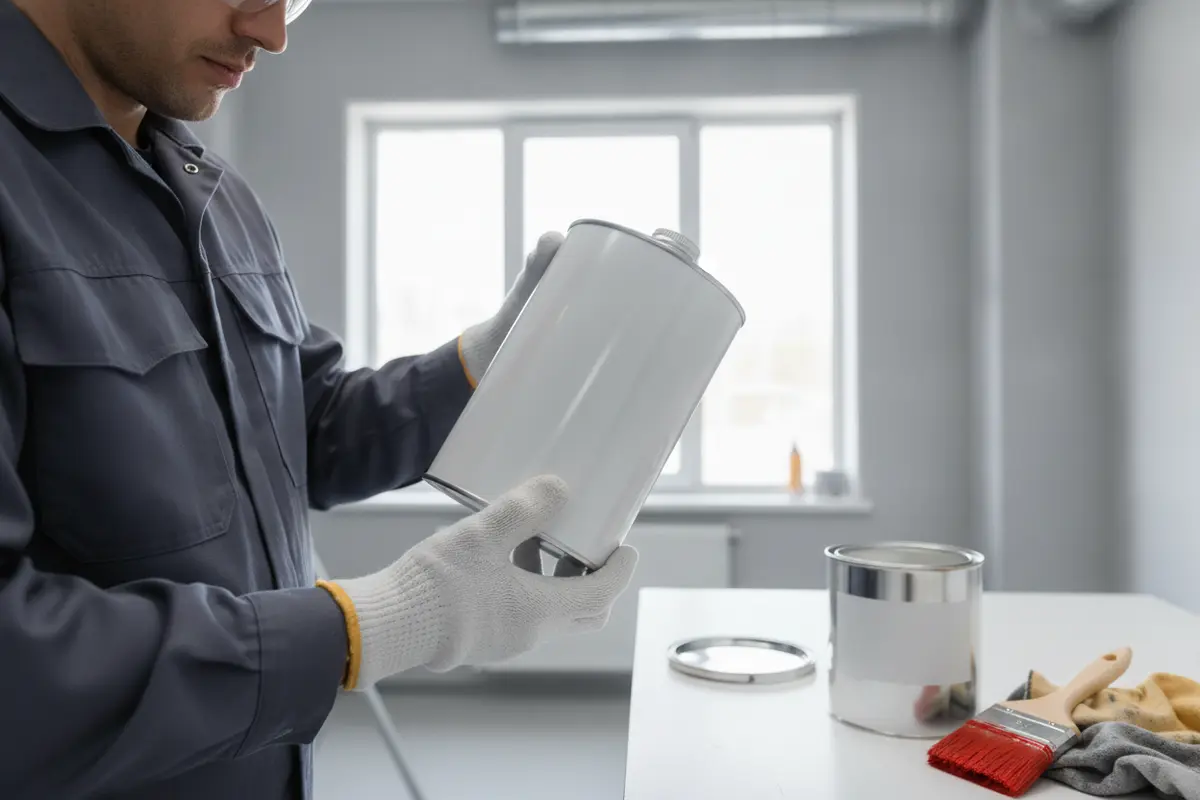
Start by removing as much excess paint as possible using a method appropriate for the tool. Then use the cleanup material specified by the coating manufacturer. Work over a suitable contained area, keep the solvent away from drains, and avoid splashing it onto nearby surfaces. Follow any directions for cleaning, rinsing, and drying the applicator.
For a brush, remove excess coating without forcing paint deep into the heel or spreading it onto the handle. Use a disposable or reusable tool for scraping only when suitable for the brush. Then follow the paint maker's cleaning directions. Do not assume that soaking the brush is the required method; the product may call for a specific sequence, and soaking can expose the tool and work area to solvent longer than necessary.
For a roller cover, remove excess paint in a controlled way before cleaning. Follow the cover and coating directions, and avoid spinning or shaking a solvent-wet tool where droplets can spread. If a tool has parts that can be removed, do so only when that is appropriate for its construction. Keep the work contained and collect waste rather than rinsing solvent or paint into a drain.
Do not leave a brush soaking indefinitely unless the product directions specifically call for it. Extended soaking can affect some tools, and an open solvent container adds avoidable vapor and spill risk. Clean only what you need, close the container between steps, and leave the tool to dry in a safe, ventilated place in accordance with the product directions.
As you work, keep clean tools separate from dirty ones. Do not place a cleaned brush on a surface with wet paint or use a contaminated rag to wipe the bristles. If the manufacturer's procedure includes more than one cleaning stage, follow the order and use fresh materials as directed. When finished, inspect the tool and clean the handle and ferrule if appropriate. Store it only after it is dry as instructed.
If you also use masking materials during a paint job, choose and remove them according to the surface and coating directions. Integrity Supply offers painter's tape for project preparation; tape selection and removal are separate from solvent selection, so follow the tape and paint instructions for timing and surface care.
How should you handle a spill or leftover paint?
A solvent that is suitable for thinning may not be the right choice for a spill on every surface. First check the solvent and coating directions, identify the surface, and consider whether the spill is still wet or has dried. A finish, plastic, flooring material, or painted surface can be affected by a solvent even when that solvent is compatible with the coating in a different context. Do not spread a spill by wiping it across a larger area.
Read the label's spill directions before acting. If it is safe to handle and the directions support doing so, contain the affected area and use the specified cleanup method. Protect surrounding materials and keep liquid waste out of sinks, storm drains, and soil. Do not use a solvent on skin or clothing unless the product label explicitly gives that use; follow its first-aid and cleanup directions instead.
For a finished surface, do not test an unknown solvent in a visible spot. A solvent can soften, dull, or remove a finish, and a test on one material does not establish what will happen on another. If product directions allow a compatibility test, follow their procedure and select a discreet area. When in doubt, consult the coating or surface manufacturer before applying a cleaner.
How should you handle used thinner, rags, and leftover paint?
Do not pour paint thinner, used solvent, or paint-contaminated cleaning liquid into a sink, storm drain, or onto the ground. Keep used solvent and other waste contained, and check the disposal directions on the product label as well as the requirements in your community. Household hazardous-waste programs may have specific instructions about what they accept and how it must be delivered.
Do not mix leftover solvent with other chemicals or pour it into a different container unless the label or local disposal instructions explicitly tell you to do so. Keep waste away from heat and ignition sources, prevent access by children and pets, and label any waste container clearly if local guidance requires temporary storage. Different communities set different collection procedures, so confirm current local instructions instead of assuming curbside trash or recycling is appropriate.
Handle paint-soaked rags and other used materials with care. Follow the paint and solvent labels for their storage and disposal. Do not leave them in a pile or in a warm, enclosed area. If you are uncertain how to contain or dispose of a material safely, stop and contact the local waste authority for guidance. Do not combine rags from unrelated products into a waste container without checking the applicable instructions.
Keep any retained product in its original container, with its cap secure and label readable. Store it as directed and do not leave it in a vehicle, near a heater, or in another location that conflicts with the label. Before setting waste aside for collection, verify whether the local program requires original packaging, separate containers, advance appointment, or other preparation. Local rules may vary, so use the instructions for your community and the product you actually have.
How can you plan the work before opening thinner?
A short setup routine helps keep the coating, tools, and solvent organized. Start by reading the paint label while the container is still closed. Confirm the surface, application method, and conditions named by the manufacturer. Next, decide whether thinning is actually permitted or whether the job only requires tool cleanup after painting. That decision affects what you need on hand and prevents opening a solvent container before you know its purpose.
- Gather product information. Keep the paint can, any technical directions, and the solvent label available. Write down the coating name and the instruction that applies to the task.
- Choose the work area. Set up a location that meets the label's ventilation, fire-safety, and access precautions. Keep other people and pets away as needed.
- Prepare tools and protection. Assemble the specified protective equipment, measuring and mixing tools if thinning is allowed, and appropriate supplies for containing waste. Do not substitute an item if the label specifies a particular kind of protection.
- Protect the surrounding area. Place the paint and solvent on a stable surface away from edges, heat, and ignition sources. Protect surfaces that could be damaged by paint or solvent, using materials suited to the job.
- Use only the amount needed. Keep containers closed between steps. If the label allows a measured addition, make a small batch only when that procedure is permitted.
- Plan the finish. Before starting, know how to close, store, and dispose of the products and waste. Do not leave this decision until the end of the job.
This sequence is useful even for a small project. For example, someone touching up a door may only need to use the paint as supplied and clean a brush afterward. A larger job involving a different application method may require a separate check of thinning instructions. The amount of preparation should match the work, but neither situation removes the need to follow the coating and solvent labels.
How do the instructions change by task?
Think of compatibility as a task-specific question rather than a one-time approval of a solvent. The following examples show why a product chosen for one step may not answer the next question.
Example: paint seems difficult to brush
Do not immediately add solvent. First confirm that the product was mixed correctly and that the surface and work conditions match the paint directions. Check whether the manufacturer allows thinning for brushing and whether it names a specific thinner or amount. If the label does not permit it, leave the coating unchanged and ask the maker about the application issue. A recommendation for a spray setup would not automatically apply to brush work.
Example: a brush still has wet paint
Find the cleanup instruction for the exact coating. Remove excess paint in a controlled way, then use only the cleaning material the manufacturer identifies. Keep the cleaning activity separate from any decision about thinning. Do not pour solvent from a cleanup container back into the original can, and keep the used material contained for disposal according to local guidance.
Example: a small drop lands on a finished floor
Do not assume the paint's approved thinner is safe for the floor. Identify the floor material and read the cleaner and coating instructions before applying anything. A solvent that loosens paint can also damage a finish. Keep the spill from spreading and use only a method confirmed as suitable for both the paint and the surface. If you cannot verify that, stop and ask the surface or coating manufacturer for guidance.
Example: the label is missing or unreadable
Do not try different solvents until one appears to work. Look for other product identification, such as a receipt, product code, or purchase record, and contact the paint manufacturer to confirm the coating and its directions. If the product cannot be identified, treat compatibility as unknown. The same caution applies to a solvent poured into an unlabeled container: do not use it based on appearance or smell.
These examples share one practical principle: establish the product, task, and surface before taking action. If one of those details is unknown, testing a random solvent is not a reliable shortcut. A clear question to the manufacturer or supplier is safer and usually gives more useful guidance than describing the material only as oil paint or thinner.
What should you check after the job?
When the application or cleanup is finished, close every container and inspect the work area for open lids, drips, used wipes, or tools that still need attention. Follow the product directions for cleaning equipment and keeping waste contained. Do not move a solvent-wet tool into a storage area unless the label and tool directions support that step. Keep the work area controlled until the products and materials are handled as directed.
Make a brief note of the paint and thinner product names, the task performed, and any amount added. This is useful if the coating behaves differently later or if you need to repeat the work. Keep the note with project records rather than relying on memory. If the job is part of a larger project, share the product details with the next person who may handle the coating, especially when the can or work area will be handed over.
Before starting another surface, confirm that the next task uses the same coating and method. A solvent choice established for one product is not automatically valid for another can, even when both are described as oil-based. Repeat the label check when the product changes, and do not rely on an earlier batch as proof that the next one is compatible.
What mistakes should you avoid with paint thinner for oil-based paint?
- Choosing by name alone. A familiar product name is not proof of compatibility. Check the precise paint and thinner directions.
- Adding thinner to fix every problem. Mixing, age, temperature, or an unsuitable application method may be involved. Consult the paint instructions before changing the coating.
- Using one solvent for every task. Thinning paint, cleaning tools, and treating a spill can require different instructions.
- Ignoring the label's limit. More thinner is not necessarily better. Follow the stated quantity and method.
- Changing the whole can without measuring. Prepare only what you need when the directions allow, and keep track of the quantities used.
- Assuming a successful mix proves compatibility. A mixture may appear uniform yet still be unsuitable for the application or coating.
- Working without adequate ventilation or protection. Plan the setup around the product precautions, and do not proceed if you cannot follow them.
- Leaving containers open. Close them when not in use, keep labels readable, and store them as directed.
- Pouring liquid waste down a drain. Keep solvent waste contained and follow local disposal instructions.
What should you do if the paint behaves unexpectedly?
If paint becomes lumpy, separates unusually, develops a skin, or does not mix as expected, stop before adding thinner. Compare the product with its label and determine whether the condition is covered by the manufacturer's directions. Do not strain, dilute, or otherwise alter the coating unless the product maker says that procedure is suitable.
If the paint seems too difficult to apply, check the simplest causes first: Was it mixed as directed? Is the surface prepared as the label requires? Are the conditions within the stated application range? Is the selected brush, roller, or other equipment suitable? These checks do not replace product-specific troubleshooting, but they can help you describe the problem accurately when seeking advice.
Record the coating name, batch or product code if available, application method, and what you have already added. Include the approximate quantity and the conditions of the work. Contact the paint manufacturer before adding more solvent or applying a questionable mixture. If the product's instructions cannot be followed safely, set the work aside until you have a suitable plan.
Where can you get help choosing painting supplies?
If the paint label names a specific thinner, use that information when choosing supplies. If a direction is missing or confusing, the paint manufacturer is the best source for coating-specific compatibility guidance. For help finding painting supplies, you can also call Integrity Supply at 866-918-0300. Keep the paint product name and intended task nearby so your question is clear.
When asking for help, explain whether you intend to thin the coating, clean a tool, or address a spill. Mention the application method and the exact paint name. If you have already started, say what was mixed and in what amount. This information helps separate a question about the coating from a question about the solvent's handling or the tools needed for the job.
Integrity Supply serves painting and jobsite supply needs with a catalog spanning roughly 70,000 products from 300 manufacturers; that range does not mean every item is stocked in-house. For the specific coating in front of you, rely on its manufacturer for compatibility and application directions, then choose the supplies that match those instructions.
Explore painting tools for your next project
Paint thinner for oil-based paint FAQs
Can I use any paint thinner with oil-based paint?
No. Check the paint manufacturer's instructions and use only a thinner identified as compatible for the specific coating and task. A solvent's general name does not establish that it is suitable.
Should I thin paint if it feels too thick?
Not before checking the product directions. Mix the paint as instructed and confirm whether thinning is allowed for your application method. If it is allowed, use the named thinner and stay within the stated limit.
Can I use the same thinner for application and cleanup?
Only if the paint directions allow that product for both purposes. Application and cleanup can have different requirements, so check each instruction separately.
Can used thinner go down the drain?
No. Keep used solvent contained and follow the label and local household hazardous-waste instructions for disposal. Do not pour it into a sink, storm drain, or onto the ground.
What should I do if the paint label does not name a thinner?
Do not guess or test an unverified solvent in the can. Contact the paint manufacturer with the product name and intended use to confirm the correct procedure.
The safest choice is the thinner specifically allowed for your oil-based paint and task, used exactly as directed on its label.