

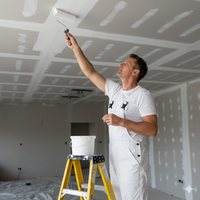










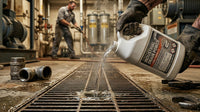







For a painting crew, a first aid kit should be ready for the small injuries and exposures that can happen during surface preparation, coating, cleanup, and material handling. The most useful kit is easy to find, clearly stocked, and matched to the work: adhesive bandages and gauze for minor cuts, gloves and wipes for cleanup, sterile eyewash for a splash, and supplies for burns, blisters, splinters, and other routine jobsite needs.
Call (866) 918-0300 to discuss safety supplies for a larger order or contact Integrity Supply if you need help planning supplies for a crew.
A first aid kit for painting jobs should include assorted adhesive bandages, sterile gauze pads, medical tape, antiseptic wipes, nitrile gloves, saline eyewash, tweezers, scissors, a cold pack, burn dressings, a triangular bandage, and a clear first aid guide. Add job-specific supplies after reviewing the work, product labels, safety data sheets, employer procedures, and applicable OSHA requirements. Keep the kit accessible, protected from paint and moisture, and inspect it before every job.
This checklist is for planning a basic response to minor injuries while arranging appropriate medical care when needed. It is not a substitute for emergency services, professional medical advice, required workplace training, a site-specific safety plan, or the instructions for a paint, coating, solvent, cleaner, or other chemical. If a worker has trouble breathing, severe bleeding, a serious burn, loss of consciousness, an eye injury, or a suspected chemical exposure, follow the product safety information and site emergency procedure and get professional help immediately.
First Aid Kit for Painting Jobs: Start With the Jobsite Risks
Before packing supplies, walk through the work as a supervisor or crew lead. A residential interior repaint, an exterior spray job, a commercial maintenance project, and a surface-preparation job can expose workers to different hazards. The kit should support the work, but it does not replace hazard controls such as ventilation, guarding, fall protection, respiratory protection, eye protection, gloves, and safe chemical handling.
Review the Integrity Supply safety collection when planning the wider jobsite order. A first aid kit is one part of a complete safety setup, and the right protective equipment should be selected for the task, the product label, the safety data sheet, and the site's requirements.
Ask these questions before the crew leaves for the job:
- Will workers sand, scrape, drill, pressure wash, or otherwise create dust and flying debris?
- Will the crew handle solvent-based coatings, cleaners, thinners, adhesives, or other products with specific first aid directions?
- Will spraying create an overspray or splash risk that calls for stronger eye, skin, or respiratory controls?
- Will the work involve ladders, lifts, rough masonry, sharp edges, hot equipment, or repeated kneeling and carrying?
- How many workers will be on site, how far is the nearest medical facility, and who is responsible for checking the kit?
These answers affect quantities, storage, communication, and emergency planning. For example, more workers may require extra bandages and gloves. A remote or large site may require a larger kit and a site-specific emergency plan. A project using a particular chemical may require immediate access to the product label and safety data sheet rather than a generic assumption about treatment.
First Aid Kit for Painting Jobs: Core Supply Checklist
The following supplies cover many minor jobsite needs. Choose sealed, clean, appropriately sized products and keep enough inventory for the crew and project length. Follow the manufacturer's directions for each item.
| Supply | Why keep it ready | Jobsite note |
|---|---|---|
| Assorted adhesive bandages | Small cuts, scrapes, and blisters | Carry several sizes, including options that stay on while a worker moves. |
| Sterile gauze pads | Covering a wound or applying pressure to minor bleeding | Keep multiple sizes in sealed packaging; do not rely on one small pad. |
| Medical tape and rolled gauze | Securing a dressing or creating a temporary wrap | Use clean materials and follow first aid training. |
| Antiseptic wipes | Cleaning around a minor wound when appropriate | Check the label and avoid getting products into the eyes. |
| Nitrile disposable gloves | Reducing contact during first aid and cleanup | Stock multiple pairs and replace damaged or contaminated gloves. |
| Saline eyewash or sterile eye-rinse supplies | Immediate flushing support for dust or splashes | Use the product label and safety data sheet; urgent eye injuries need professional care. |
| Trauma or blunt-tip scissors | Cutting tape, gauze, or clothing when appropriate | Store securely and keep them clean. |
| Fine-tip tweezers | Removing a small, superficial splinter when appropriate | Do not dig into tissue or attempt removal of embedded objects. |
| Instant cold pack | Temporary support for a minor bump or swelling | Wrap it as directed and seek care for serious injuries. |
| Burn dressings or sterile nonstick pads | Covering a minor burn while arranging further evaluation | Use the product directions and get urgent care for serious burns. |
| Triangular bandage | Supporting a dressing or making a temporary sling | Use only within the crew's training and the site's first aid procedure. |
| First aid guide and emergency contacts | Helping the crew act consistently | Post the site address, emergency number, supervisor contact, and route information. |
Do not pack the kit with loose products that can be mistaken for paint additives, unlabeled liquids, or damaged packaging. Keep medications subject to the employer's policy and applicable rules. If any over-the-counter product is provided, it should remain in its original labeled package and be managed under the site's written procedure rather than added casually to a shared box.
Supplies for Cuts, Scrapes, and Splinters
Scrapers, utility knives, metal edges, fasteners, rough substrates, and broken packaging can cause minor cuts or abrasions. A crew should be able to locate gloves, gauze, tape, and bandages without opening several unrelated containers. Keep a small wound-care pouch inside the larger kit so the first response does not scatter supplies across a clean work area.
For a minor cut, the trained responder should use the site's procedure, protect themselves with disposable gloves, and use clean supplies. A dressing should fit the injury and stay secure without restricting circulation. Replace any dressing that becomes wet, dirty, or contaminated. A puncture wound, deep cut, uncontrolled bleeding, wound from a dirty or rusty object, or injury with reduced movement or sensation needs prompt professional evaluation rather than a quick bandage.
Splinters and small surface debris are common around wood trim, pallets, rough masonry, and packaging. Tweezers can be useful for a small, superficial splinter when it is easy to grasp, but do not probe deeply or force removal. If the object is embedded, near the eye, under a nail, or associated with significant pain, swelling, or bleeding, follow the medical escalation procedure.
Eye and Face Protection Are Part of the Plan
A first aid kit can support an immediate response, but it should not be the primary control for eye injuries. Workers should use task-appropriate eye and face protection before sanding, scraping, spraying, mixing, pouring, or using compressed air. The kit should still include sealed eyewash or sterile rinse supplies if the site's risk assessment and product information call for them.
Dust and a small nuisance particle are different from a chemical splash, impact injury, or embedded object. If a product enters the eye, use the label and safety data sheet for the required flushing time and call for medical assistance when directed. Do not delay professional care because the worker feels better after a quick rinse. Do not rub an injured eye, and do not remove an embedded object at the jobsite.
Place the eyewash where the crew can reach it quickly, not buried under drop cloths, paint cans, or spare tools. Check the seal, expiration or replacement guidance, and temperature requirements. Train workers on the location of the eyewash and the emergency contact process before the job begins.
Burn and Heat-Related Supplies
Painting work can involve hot surfaces, steam or hot water during cleanup, heat-producing equipment, and sun exposure on exterior jobs. A burn dressing or sterile nonstick pad can help cover a minor burn while the worker follows the site's first aid procedure and determines whether medical care is needed. Keep the item sealed and replace it after use.
Do not treat a serious burn as a routine first aid event. Large, deep, electrical, chemical, or facial burns, burns involving hands or major joints, and burns with severe pain or blistering require prompt medical attention. Chemical burns require the product-specific response from the label and safety data sheet. When in doubt, escalate.
For hot outdoor work, the broader safety plan may also need drinking water, rest breaks, shade, scheduling changes, and training. A cold pack is not a substitute for heat-illness prevention. Confusion, fainting, seizures, or a worker who cannot drink needs emergency action, not just a first aid kit item.
How to Organize a First Aid Kit for Painting Jobs
Organization matters because a kit that cannot be found or understood is not ready for use. Use a durable, labeled container with a clean interior. A bright label or first aid symbol makes it easier to identify among toolboxes and material bins. Avoid storing it beside open paint, leaking solvents, dusty abrasives, or direct sunlight.
- Choose one known location. Tell every worker where the kit is kept and keep the location accessible throughout the job.
- Separate clean supplies. Use sealed pouches or compartments for dressings, eyewash, gloves, and burn supplies so the contents stay clean and easy to count.
- Post emergency information. Include the jobsite address, supervisor or competent-person contact, emergency number, nearest medical facility information, and any required reporting steps.
- Add product information. Keep current labels and safety data sheets available for coatings, solvents, cleaners, and other chemicals in use.
- Protect the kit during active work. Close the container after use and move it if the work area changes or overspray, dust, water, or falling materials could reach it.
- Restock immediately. Do not wait until the next project to replace used bandages, gloves, eyewash, dressings, or expired items.
Color coding or a simple inventory card can help a foreperson check the kit in less than a minute. List the item, minimum quantity, expiration or inspection point, and person responsible for restocking. A second small pouch can travel with a mobile crew while the main kit stays at the site office or staging area, as long as both locations are known.
First Aid Kit Inspection Before Each Painting Job
Make the inspection part of mobilization, not an afterthought. Before the crew starts, confirm that:
- The kit is present, labeled, clean, dry, and easy to reach.
- Bandages, gauze, tape, gloves, wipes, eyewash, cold packs, and burn supplies are sealed and within their use or replacement dates.
- The quantities fit the number of workers and expected duration of the job.
- The scissors and tweezers are clean and stored safely.
- Emergency contacts and the site address are current.
- Product labels and safety data sheets are available for chemicals in use.
- Workers know who to contact and where to go for additional medical care.
- Used or contaminated supplies from the previous job have been removed and replaced.
After an incident, inspect the kit again and document the restock. A near miss can also justify a review of the hazard controls, PPE, training, or work sequence. The goal is not simply to add more items. It is to prevent a repeat event and make the next response faster and more consistent.
Common First Aid Kit Mistakes on Painting Jobs
Keeping the kit in the truck all day
A kit locked in a vehicle or left at the parking area may be too far away when a worker needs it. Keep it near the active work area while protecting it from contamination, heat, and weather.
Using a generic kit without checking chemical information
Paints, cleaners, solvents, and coatings can have different first aid directions. The product label and safety data sheet control the response for that product. A generic kit cannot replace that information.
Letting the kit become a storage box
Do not use the first aid container for blades, drill bits, fasteners, paint keys, or personal items. Unrelated tools can contaminate dressings, hide supplies, and slow the response.
Replacing supplies only after someone asks
Bandages, gloves, eyewash, and dressings are easy to use up gradually. Assign an owner and inspect the kit before every mobilization so an empty box is found before an incident.
Confusing first aid with prevention
First aid is a response layer. Eye protection, gloves, ventilation, safe access, housekeeping, training, guarding, and correct chemical handling should reduce the likelihood and severity of incidents before they occur.
FAQs About a First Aid Kit for Painting Jobs
What is the most important item in a painting jobsite first aid kit?
There is no single item that replaces a complete plan. At a minimum, crews typically need clean gloves, assorted bandages, sterile gauze, medical tape, antiseptic wipes, and eyewash or rinse supplies selected for the job. The exact contents should follow the worksite assessment, product information, employer procedures, and applicable requirements.
Should a painting crew carry eyewash?
If the work can expose workers to dust, debris, or splashes, the site should plan for immediate eye flushing in a location workers can reach. Select the eyewash or rinse supply according to the hazard assessment and product information. A significant eye injury or chemical exposure needs prompt professional care.
Can a first aid kit replace personal protective equipment?
No. A kit supports response after an incident. It does not replace safety glasses, face protection, gloves, respiratory protection, protective clothing, ventilation, fall protection, or other controls required for the task and product.
How often should a first aid kit be checked?
Check it before each job and after every use. A crew working continuously on a large project should also use a regular documented inspection schedule. Replace opened, contaminated, damaged, or expired supplies promptly.
Where should a jobsite first aid kit be stored?
Store it in a clearly marked, clean, dry, accessible location near the work area. Protect it from paint, dust, moisture, direct heat, and unauthorized removal. Tell every worker where it is and keep the route to it clear.
A well-organized first aid kit helps a painting crew respond to minor injuries without searching through toolboxes, but the strongest safety setup combines preparation, training, protective equipment, product information, and a clear emergency plan. Review the Integrity Supply safety collection when building the rest of the jobsite order, and contact the team or call (866) 918-0300 for help planning supplies for repeat painting work.