

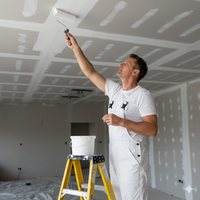


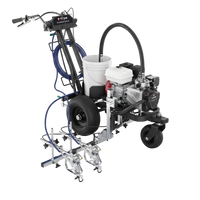











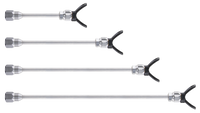







Choosing the best paint sprayer for home use starts with the job, not the biggest motor or longest feature list. A compact handheld sprayer may suit a small furniture project, while a larger airless model may be worth comparing for broad surfaces or repeated work. The right choice depends on what you will paint, how often you will use it, the coating instructions, and how much setup and cleanup you can manage.
Call Integrity Supply to discuss sprayer options
What should a home buyer decide first?
Before comparing models, write down the project details. “Painting at home” might mean refinishing a chair, coating a fence, painting several interior rooms, or tackling a ceiling. Each job has a different balance of coverage, control, overspray, and cleanup. A tool that is convenient for a short, occasional task may not be comfortable for a large area. Likewise, a powerful setup may be more than a one-time project calls for.
- Surfaces: List the materials and shapes involved: walls, ceilings, siding, trim, doors, cabinets, furniture, or fencing.
- Project size: Estimate the area and whether the job is one room, several rooms, or multiple outdoor surfaces.
- Frequency: Consider whether this is a single project or a tool you expect to use repeatedly.
- Coating: Identify the exact paint, stain, primer, or finish. Read its label and technical instructions before assuming a sprayer can apply it.
- Work conditions: Think about power access, ventilation, weather, masking time, and a suitable place to clean equipment.
- Experience: Decide how much time you can spend learning the tool and practicing before starting a visible surface.
These details narrow the options more effectively than choosing by price or product name alone. If the coating label or equipment manual does not clearly confirm compatibility, check with the coating or sprayer manufacturer before buying or spraying.
Turn the project into a short brief
Write down the surface, coating, approximate area, and setting in one place. For example: “Interior bedroom walls, one room, water-based wall coating, furniture removed, trim protected, occasional future use.” That brief is more useful than “need a sprayer for paint,” because it points to the questions you need answered. If you are painting a cabinet, write down whether it is already finished, whether it has detailed edges, and where it can be set while the finish dries.
Then separate what you know from what remains uncertain. You may know the paint brand and room size but not whether a particular model supports that material. Mark that as a question rather than filling the gap with a guess. A model should remain on your shortlist only after its current instructions and package details match the actual job.
Which types of paint sprayers are worth comparing?
Home buyers commonly compare airless, HVLP, handheld electric, and compressor-powered setups. These are different equipment types, not promises about finish quality or suitability. Product designs vary, so verify each model’s instructions, supported materials, capacity, and included components.
| Type | May suit | Check before choosing | Trade-off to consider |
|---|---|---|---|
| Airless | Larger surfaces or jobs where broad coverage matters | Approved coatings, tip options, hose, power, and model instructions | Requires setup, masking, and cleanup; overspray control matters |
| HVLP | Smaller or detailed work where controlled application is a priority | Material compatibility, preparation, container capacity, and controls | May take longer on broad surfaces; instructions define suitable coatings |
| Handheld electric | Smaller occasional projects where portability is useful | Supported coatings, capacity, power source, and model’s intended use | Capacity or pace may limit larger projects |
| Compressor-powered | Buyers with a suitable compressor and compatible spray gun | Required air volume and pressure, fittings, and coating compatibility | May require more equipment and setup than an integrated unit |
This comparison is a starting point, not a substitute for a manual. A product’s name or general category does not establish that it works with every latex paint, oil-based coating, stain, or primer. Compatibility depends on the exact equipment and material, plus any preparation the manufacturer requires.
Compare workflow, not just machine type
Imagine the full sequence: moving the equipment into position, preparing the coating, connecting components, masking the work area, applying the material, pausing if needed, then cleaning and storing the unit. An integrated handheld setup may reduce the amount of separate equipment to position, but its container size and supported use still matter. An airless system may fit a large area better but bring a hose, gun, tip, and more extensive preparation into the workflow. Compressor-powered equipment requires you to confirm the compressor can meet the spray gun’s stated requirements while maintaining the intended setup.
These differences do not make one category universally easier. They help reveal which trade-offs matter to your job. A homeowner with a small piece to finish may value easy movement and a manageable setup. Someone preparing several rooms may care more about the work sequence, reach, and how the unit is configured. In either case, the equipment maker’s directions take priority over broad category advice.
Is an airless sprayer the right fit for a home project?
An airless sprayer is one of the first options buyers consider for a sizeable project. It can be a practical type to compare for broad surfaces, but the decision still depends on the model and coating. “Airless” alone does not tell you the coverage, included hose or tip, suitable materials, or how much setup the job requires.
Ask these questions while comparing airless models:
- Does the manufacturer list your exact coating as compatible?
- Does the unit accept the tip and accessories needed for the material and surfaces?
- Can you manage the hose and work area safely?
- Can you mask nearby surfaces and protect the room or landscaping from overspray?
- Can you follow the specified operating, shutdown, cleaning, and storage procedures?
Do not choose based on a claim that a sprayer is “for everything.” Coatings differ, and equipment makers may set specific limits. If you cannot verify an important detail, ask before buying. Integrity Supply carries spraying equipment and related supplies; product information and manufacturer instructions should guide the model decision.
Think through a room-sized job
For a room, estimate the surfaces that will actually receive coating and distinguish them from the areas that need protection. Walls alone are different from walls plus ceiling, doors, trim, and built-ins. A floor plan or simple sketch can help identify narrow corners, doorways, and routes for moving a hose or cord. It also shows whether a room can be cleared or whether furnishings need to be moved in stages.
Before buying, consider the interruption points. Where will you set the unit while moving a ladder or repositioning protection? Can the hose reach the intended surface without pulling equipment across freshly coated areas? Can you maintain a clear exit path? These are practical questions, not reasons to assume a particular product will perform a certain way. Use the model instructions to check reach, placement, and allowed configuration.
When might HVLP or a handheld model make more sense?
For a small project, portability and control may matter more than covering a large area quickly. That can make a handheld or HVLP setup worth comparing. Consider them for detailed work, but do not assume a particular finish without practice. Results depend on the equipment, coating, preparation, settings, and technique.
A compact tool can have limits that matter on a larger job. Check capacity, refill frequency, power source, material compatibility, and the manufacturer’s intended use. Preparation and masking still take time, and cleaning follows the manufacturer’s directions. A small sprayer is not automatically easier if the coating is unsuitable or the project requires repeated refills.
For furniture, doors, or trim, practice on a suitable sample or inconspicuous area when instructions allow. This gives you a chance to learn how the material and tool behave before working on a finished surface. Do not alter the coating or adjust the equipment outside its instructions to force a result.
Use the item’s shape to guide the comparison
A flat panel, a chair with spindles, and a door with recessed details create different access questions. Count the edges, corners, narrow spaces, and sides that must be coated. A tool that is comfortable to hold for a short pass may feel different over a longer session. If the item must be rotated, decide how you will support it without touching a wet surface. This planning can matter as much as nominal capacity for a small project.
For cabinets and furniture, the coating system and surface preparation deserve particular attention. Check whether the product instructions specify cleaning, sanding, priming, or another preparation step. A sprayer does not remove the need to prepare a surface. Nor does choosing a compact tool guarantee that a coating will flow or lay down as desired. Verify compatibility and practice using the method permitted by the relevant instructions.
What should you check in product details?
Compare specific specifications rather than relying on category labels. Product pages and manuals may use different terms, so check the manufacturer’s definitions. Confirm these details for the exact model and package:
- Supported materials. Look for the exact coatings or categories the maker supports. Confirm restrictions and preparation requirements.
- Tip or nozzle options. Check what is included, what is compatible, and whether it suits the material and surfaces in the manual.
- Power and configuration. Determine whether the model is handheld, standalone, or compressor-dependent. Match air requirements to your compressor’s documented capacity.
- Container and hose. Consider how material reaches the sprayer and whether the arrangement fits the work area. Check included lengths and accessories.
- Cleaning and maintenance. Read the procedure before buying. Decide whether it fits the time, space, and safe handling arrangements you have.
- Replacement parts. Check which parts and accessories the maker recommends and which fit your exact model. For example, review details for Graco TSL sprayer lubricant rather than assuming an accessory is universal.
- Package contents and warranty. Confirm current included items and warranty terms for the model; do not infer them from photos or another listing.
- Safety instructions. Review warnings, protective equipment, ventilation, and operating limits in the manual.
Also consider supplies around the sprayer. If a project involves protecting floors, check the dimensions and product details for a protective drop cloth. For touch-up or areas where you decide not to spray, compare a paint roller cover and confirm it suits your roller frame and coating. A paint pail may also be relevant to a project’s other application or handling steps; check its listing for the current product details.
Read model numbers and package configurations carefully
Similar product names can refer to different configurations. Look for the complete model number and compare the exact package contents, not merely the family name. One listing may include a component another configuration leaves out. A product image may show accessories that are sold separately or may not represent the exact bundle. If a detail affects whether you can start the job, confirm it before ordering.
Make a checklist with two columns: “included or confirmed” and “still needed or unclear.” Put the sprayer, gun, hose, tip, container, filters, fittings, and any required cleaning supplies on the list as applicable to that model. Do not purchase an accessory solely because a product photo shows it. Confirm fit with the maker’s parts information or product documentation.
How do project size and preparation change the decision?
A sprayer is one part of a larger project. Preparation, masking, ventilation, practice, application, and cleanup can take substantial effort. Buyers may focus on application speed and overlook the time needed to protect nearby surfaces. Indoors, plan for furniture, floors, windows, fixtures, and openings. Outdoors, consider vehicles, plants, walkways, and neighboring property. Follow equipment and coating instructions for environmental conditions and safe use.
For one small item, compare the total effort with a brush or roller. A sprayer may suit your preferred application method, but preparation and cleaning may not be worthwhile for a limited area. For multiple rooms or a larger exterior project, spraying equipment may be more relevant to compare, yet masking and a safe work plan remain essential. Choose for the whole workflow, not only the moment paint is applied.
Before starting, make a plan:
- Remove or protect items that should not receive paint.
- Prepare the surface as directed by the coating manufacturer.
- Set aside a practice area if the instructions permit.
- Arrange suitable ventilation and protective equipment according to labels and manuals.
- Keep children, pets, and other people away from the work zone.
- Set up an appropriate place for equipment cleaning and waste handling.
- Allow the specified drying or curing time before handling or recoating.
These steps may reveal that another application method or a smaller project scope makes more sense. If you lack time to mask, ventilate, practice, or clean equipment properly, do not rush.
Make an indoor protection plan
Start by deciding what can leave the room and what must remain. Move removable furniture and belongings away from the work zone where practical. Cover the remaining items according to the coating and equipment instructions. Give special attention to floors, windows, outlets, light fixtures, doorways, and adjacent rooms. A protected floor is not enough if nearby surfaces are exposed to material carried beyond the target.
Plan how to access each surface without stepping over hoses or moving protection repeatedly. Keep walkways and exits clear. If the work requires multiple sessions, decide where equipment and open materials can be secured between them, following label and manual directions. If the necessary protection would be difficult to maintain, divide the work into manageable stages or reconsider the application method.
Check outdoor conditions and boundaries
Outdoor work avoids some indoor masking but creates other constraints. Wind can move spray beyond the intended surface, and nearby vehicles, landscaping, walkways, buildings, and neighboring property may need protection. Review the coating and equipment instructions for acceptable conditions, and do not assume that a calm-looking moment will remain suitable. Identify a boundary around the work area and keep bystanders clear.
Plan a stopping point if conditions change. Have a way to pause safely and follow the maker’s shutdown procedure rather than leaving a loaded unit unattended. If the surroundings cannot be protected or weather is outside the directions, wait or use an alternative method. The value of a sprayer depends on being able to complete the work in conditions the product makers allow.
How can you compare the total cost?
Compare the total project cost, not just the equipment price. A low initial price does not show whether a tool supports your coating, includes necessary parts, or fits the job. A more capable model can bring additional setup or care requirements. Use current product details because prices, package contents, and availability can change.
Include these possible costs in your comparison:
- The sprayer and any required compatible components.
- Coating, primer, and surface-preparation materials.
- Masking and protective supplies.
- Replacement parts or accessories recommended for the model.
- Time and materials for practice, cleanup, and care.
- Whether you expect to use the tool again or only for one project.
Do not buy extra accessories until you know they are compatible and needed. A manufacturer’s parts list or product listing is a better basis than assuming accessories are universal. For a one-time job, weigh equipment cost and preparation effort against another application method.
Compare the complete job rather than a shelf price
Build a simple estimate for each option. One column can cover a sprayer purchase and any required compatible parts. Another can cover protection, surface preparation, and the coating. Add a practical allowance for time spent assembling, masking, practicing, cleaning, and storing the equipment. Compare that total with a brush-and-roller approach or with postponing the purchase if you have several projects planned.
This does not require guessing at an exact dollar value for your time. The purpose is to avoid comparing one method’s equipment price with another method’s entire project cost. If the sprayer is intended for future jobs, list those jobs and check whether the same model supports their coatings and surfaces. A future possibility is not a reason to buy a model that does not match today’s known requirements.
Availability and bundle contents can change. Use the current product listing for any final price or package comparison, and check shipping and order details before purchase. If a necessary component is not included, include it in the estimate rather than discovering the gap after the sprayer arrives.
How should you interpret sprayer specifications?
Specifications are useful when they answer a question about your project. They are less useful as a score where the highest number automatically wins. Read the definitions and qualifications from the manufacturer. Equipment categories may describe performance differently, so avoid comparing numbers that do not measure the same thing.
Look at the whole delivery system
The gun or spray unit, tip, hose, material, and setup all affect what equipment can do. Make sure the manual covers the intended combination. A replacement tip or accessory may have its own limits. Do not presume an accessory listed for one model fits another; check part numbers and manufacturer fit information.
Distinguish included parts from available options
Product descriptions may show items that are not included. Read the package contents and identify what your project requires separately. Check whether the hose, gun, container, tip, filters, or other components come with the exact configuration. Use the listing and manufacturer documentation, not a photo or another seller’s bundle.
Picture a real work session
How far will you move between material and surface? Will a cord, hose, container, or refill interrupt the task? Can you position equipment without creating a trip hazard or blocking an exit? What happens when you need a break? These practical questions help distinguish a convenient setup from one that only looks appealing in a feature list.
Verify coating-specific requirements
Confirm whether a coating requires a particular tip, filter, preparation, or application procedure. If instructions call for a specific test, follow the maker’s method. Do not assume thinning is always acceptable. When sprayer and coating instructions do not clearly align, ask the manufacturers for clarification before proceeding.
Keep confirmed facts separate from open questions. If the required component, coating compatibility, power setup, or cleaning procedure is unknown, do not turn that uncertainty into an assumption.
Understand capacity in terms of the task
Capacity is not an abstract advantage. Ask how it affects the actual time and number of interruptions for your project. If a model uses a container that needs refilling, consider the area, coating amount, and whether pausing to refill is acceptable. If a system draws material differently, check the model’s operating instructions and limitations. Do not estimate a coverage rate from a general product category when the coating and surface conditions have not been considered.
For a small furniture project, a modest container may be manageable; for a set of rooms, repeated refills may change the workflow. These are comparison prompts, not universal rules. The exact capacity and permitted materials must come from the product information for the selected configuration.
What questions should you ask before choosing?
For a focused product conversation, have the model number, coating label, surface type, and project scale ready. Explain whether the work is indoors or outdoors and how often you expect to use the sprayer. Ask:
- Is this exact coating listed as compatible with this model?
- Does the maker require a particular tip, filter, or preparation?
- Which parts are included in the package I am considering?
- What power, air, or work-area requirements should I plan for?
- What cleaning and storage steps apply after using this material?
- Which replacement parts and accessories are approved for this unit?
For technical compatibility, the sprayer and coating manufacturers’ instructions should settle the question. A sales conversation can help locate information, but it should not replace the product label or manual.
Bring enough information to get a useful answer
Instead of asking only “Which sprayer should I buy?”, give the model you are considering, the coating name, the surface, and the scale of the work. Mention any equipment you already own, such as a compressor, and its documented capacity if relevant. Say whether you plan to spray indoors or outside and what nearby surfaces must remain protected. The clearer the job description, the easier it is to identify which facts need confirmation.
If the issue is a coating compatibility question, use the exact product name and label information. If the issue is a replacement part, provide the sprayer model and current part number. A broad description such as “my Graco” or “a latex paint” may not distinguish between configurations or formulations. Ask for the manufacturer’s documentation when a technical detail affects safe or proper use.
What common buying mistakes should you avoid?
- Choosing by one number alone. Specifications matter only in context. Match them to the maker’s guidance and the coating.
- Assuming every sprayer handles every paint. Verify the exact coating and model rather than relying on a broad label.
- Ignoring setup and cleanup. These are part of the project. Read the manual first.
- Buying the largest unit for a small job. More capacity is not automatically more convenient for occasional home use.
- Expecting a flawless result without practice. Learn the equipment and test the setup where appropriate.
- Forgetting nearby surfaces. Plan for overspray and follow product directions for safe conditions.
- Assuming package or warranty details. Confirm current information for the exact model.
- Rushing to meet a deadline. Adjust the plan rather than skipping preparation or safety steps.
Do not mistake a general recommendation for a compatibility check
A review, comparison chart, or category description can help you make a shortlist, but it may not cover your precise coating or the exact configuration sold. Confirm material compatibility in the model instructions. A recommendation written for a broad home project cannot account for every paint formulation, surface condition, or local work setup.
Do not forget the less visible work
Buyers often compare how a unit applies material and overlook preparation, cleanup, and storage. Before purchase, find the cleaning instructions and ask whether you have the space and time to follow them. Consider where you will keep the unit, how you will protect it between uses, and whether maintenance requires specific parts. A tool is a poor fit if its routine care cannot be completed as directed.
How do different projects change the shortlist?
The same homeowner may need different equipment for a room, cabinet, and fence. These examples help frame the decision, but do not guarantee a type or product is suitable. The coating label and model instructions determine compatibility.
Painting a room or several interior surfaces
Think about the area, room layout, and how much space must be protected. Broad coverage may make an airless model relevant to compare, but confirm the approved material, required tip, and setup. Plan to protect floors, trim, doors, fixtures, and belongings. If masking the full room is impractical, another method or a smaller staged project may be easier. A sprayer does not replace surface repair and preparation.
For multiple rooms, plan the order of work. Decide whether each room can be cleared and protected before starting, and where materials will be kept between stages. Consider whether doors, trim, or other details should be handled separately. Avoid assuming that a single continuous session is necessary or practical; the coating and equipment directions define operating and recoat limits. A plan that allows safe pauses is better than a rushed attempt to finish everything at once.
Refinishing a small item or detailed piece
For a chair or small table, portability and control may take priority over covering a large area. Compare handheld and HVLP options, then verify supported material, container, and controls. Decide where you can practice and where the item can sit safely while the coating dries. Small pieces still have edges and recesses that require preparation.
List the item’s components before beginning. A removable shelf, drawer, or door may be easier to prepare separately if the project plan and product instructions allow it. Make sure the workspace has room to move around the item without brushing against coated surfaces. If you cannot support and protect the piece safely, adjust the setup before opening the coating.
Coating a fence or outdoor surface
Consider the surface area and surroundings. Wind and other conditions specified by the paint and equipment makers matter, as does protecting plants, paths, vehicles, and buildings. If conditions are unsuitable or nearby property cannot be protected, postpone spraying or consider another approach. An outdoor location does not eliminate overspray concerns.
Break a long fence or broad exterior surface into sections you can prepare and protect consistently. Identify gates, corners, posts, and nearby structures that require different masking or access. Keep people away from the work area and check conditions as you proceed. If the wind or other conditions change, follow the manual’s directions for stopping and securing the equipment rather than trying to finish a section at any cost.
Doing several different jobs over time
Do not assume one sprayer will suit every planned job. List each coating and surface, then compare the overlap in approved materials and equipment requirements. If one project needs a configuration the preferred model does not support, consider another application method for that task rather than buying a complicated setup for occasional use.
A short future-project list can make the purchase decision more realistic. Include likely work, not every hypothetical use. For each item, record the coating, surface, project size, and when you expect to do it. Then check whether the same model instructions cover each combination. If the list involves unrelated materials or very different work areas, one purchase may not be the simplest answer.
What does a useful side-by-side comparison look like?
Make a short comparison sheet from current product pages and manuals. Keep confirmed information separate from questions so that a product photo or broad description does not fill in a missing detail.
| Question | Model A | Model B | Why it matters |
|---|---|---|---|
| Is my exact coating supported? | Record the maker’s answer | Record the maker’s answer | Compatibility is essential |
| What is included? | List confirmed parts | List confirmed parts | Shows whether components are separate |
| What power or air supply is needed? | Record the requirement | Record the requirement | Checks fit with available equipment |
| What care does it require? | Summarize the manual | Summarize the manual | Reveals cleanup and maintenance effort |
| Will it fit my project scale? | Describe the intended work | Describe the intended work | Balances setup against amount to paint |
If information is incomplete, mark it “not confirmed” rather than guessing. Contact the seller or manufacturer with the model number and exact coating and job description. Ask whether the material is supported, what parts are included, and which accessories fit. Clear answers can prevent a mismatch that is difficult to resolve after purchase.
Use a weighted shortlist
Not every comparison question has equal importance. First rule out any model whose instructions do not support the coating or setup. Next, rule out configurations that require equipment you do not own or cannot safely use. Then compare the remaining models on project scale, handling, cleaning, package contents, and total cost. This sequence prevents a low price or appealing feature from distracting you from a basic mismatch.
You can mark each item “confirmed,” “not confirmed,” or “not applicable.” If the most important compatibility item remains unconfirmed, do not treat the model as a finalist. If two choices both meet the requirements, compare the practical trade-offs: how they fit your work area, how much preparation they require, and whether their care instructions are manageable for your schedule.
How do you plan for spray control and safety?
Read both the sprayer manual and paint or finish label before work begins. They cover different parts of the job and may specify conditions, protective equipment, ventilation, and handling. If instructions conflict or are unclear, stop and seek guidance instead of improvising.
Plan a work zone that keeps other people away from the application. Remove or cover items that should not be coated and establish boundaries. Indoors, follow ventilation guidance; an open window alone does not prove conditions are safe. Outdoors, wind may carry material beyond the intended surface. Follow the directions for suitable conditions and protection. Keep equipment and materials away from children and pets.
Follow the exact manual for operating, shutdown, pressure-related precautions, and handling a tip, hose, or other component. Never point a spray gun at a person or body part. Do not rely on a quick visual check to decide that equipment is depressurized. Wear protection specified by the equipment and coating makers.
Plan safe storage and waste handling. Keep leftover coating, cleaning materials, and equipment according to labels and local requirements. Do not pour leftover paint or cleaning products into a drain unless directions and local rules expressly allow it. If you cannot provide an appropriate work and cleanup area, reconsider the timing or application method.
Make safety part of the buying decision
Before purchasing, locate the operating and safety instructions for the exact model. Review the protective equipment, ventilation, pressure handling, storage, and cleaning requirements. Do the same with the coating label. If you cannot meet a condition that either source requires, the equipment or project plan is not ready. Do not rely on a general online tip to override a product warning.
Think about who else may be affected. Arrange for children, pets, household members, and visitors to stay outside the work zone. Protect adjacent spaces and consider how the coating and cleaning products will be handled. If the project takes place in a shared building or near other property, check applicable rules and communicate the work plan as needed.
What is the simplest way to narrow down your options?
Use this sequence to make a shortlist. First, identify the surface and coating. Second, estimate project size and frequency of use. Third, decide whether airless, HVLP, handheld, or a compressor-powered arrangement best matches the work. Fourth, confirm the exact model supports the coating and includes or accepts needed components. Finally, weigh setup, safety, cleanup, and total cost.
If more than one model remains, compare them using the same criteria. Do not treat a feature as an advantage unless it solves a real need. If your coating, surface, or operating conditions fall outside a model’s instructions, remove it from consideration or ask the manufacturer for clarification.
A practical decision path
- Define the work. Write down surfaces, coating, approximate area, indoor or outdoor setting, and how often you will spray.
- Set non-negotiables. Identify the compatibility, safety, and power requirements that the model must meet.
- Choose categories to compare. Consider airless, HVLP, handheld, or compressor-powered options only where their use aligns with your job.
- Check the exact package. Confirm included components, compatible accessories, and care steps for the exact model number.
- Compare the full effort and cost. Include preparation, masking, practice, cleaning, and future use—not only equipment price.
- Resolve open questions. Use the coating label, product manual, and manufacturer information before ordering.
This process may point to a sprayer, a different application method, or a change in project scope. The result is useful even when it tells you not to buy a particular model. A good choice is the one supported by the details you have confirmed.
Review a Graco sprayer-care product
Frequently asked questions
What is the best paint sprayer for home use?
There is no single best type for every home project. Match the sprayer to the surface, project size, coating, and expected frequency of use. Confirm compatibility and operating requirements in the exact model’s instructions before buying.
Is an airless sprayer too much for a small home project?
It may be more equipment and preparation than a small task requires, but it depends on the model and job. Compare setup and cleanup effort with the area to paint, and consider another application method if masking and cleaning outweigh the benefit.
Can I use any latex paint in a paint sprayer?
No universal answer applies to every sprayer. Check the coating label and exact model instructions, including any limits or preparation requirements. Do not thin or otherwise change a coating unless its instructions permit it.
Should I buy a handheld sprayer for occasional projects?
A handheld model may be worth comparing when portability and small jobs are priorities. Check supported materials, capacity, power source, and intended use. For a larger surface, consider whether capacity and refill frequency suit the work.
What should I check before placing an order?
Confirm coating compatibility, included parts, compatible tips or accessories, power requirements, cleaning directions, and warranty information for the exact model. If a detail is unclear, ask before buying.
The best choice is the sprayer that fits your surfaces, material, project scale, and ability to prepare and clean the equipment safely. Verify those details for the exact model before you begin.