




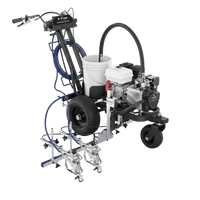
















Professional spray equipment keeps large painting jobs moving at a steady pace. Whether you’re coating a multi-story commercial building or spraying industrial materials, the right equipment delivers clean, consistent coverage that saves both time and labor. But even the most dependable gear runs into issues, and one of the most frustrating problems is a clogged paint line. That single blockage can stall a job, waste materials, and affect your finish quality.
Clogs happen for a few different reasons, but they all lead to the same outcome: delays in work and added stress on your equipment. Knowing how to spot and address these issues before they cause real damage can make a big difference. One of the best ways to stay ahead of the problem is using well-maintained equipment and reliable replacement parts, such as Titan paint sprayer parts, which are known for their durability and compatibility with heavy-duty gear.
Common Causes of Clogged Paint Lines
Clogged paint lines don’t happen out of nowhere. When a sprayer starts acting up or delivering uneven results, there’s usually something behind it. Learning the main causes can help avoid unnecessary downtime and wear.
1. Inconsistent Paint Thickness
Not all paint flows the same. Some coatings are thick and heavy, while others are thin and lightweight. If the paint isn’t mixed properly or needs thinning and that step is skipped, it won’t flow smoothly through the system. The thicker it remains, the more stress it places on the lines, increasing the chance of buildup and blockage.
2. Contaminants and Debris
Paint often ends up with unwanted particles, especially when working outdoors or with older containers. Bits of dried paint, rust from cans, or dirt from the job site can wind up in the hopper or bucket. Those small pieces can collect inside the lines and form a clog quickly.
3. Poor Maintenance Habits
Paint sticks to surfaces, and that includes the inside of your sprayer. If lines are not cleaned out after each use, residue starts drying along the walls. Over time, it builds up, reducing the space for paint to pass through. Frequent cleaning is one of the best ways to keep a sprayer working well and reduce these problems.
Even gear that’s well taken care of can face issues when rushed jobs or tough jobsite conditions get involved. That’s why recognizing the symptoms of clogged lines is just as important as knowing what causes them.
Identifying Symptoms of Clogged Paint Lines
Before your sprayer stops working entirely, it usually gives a few signs that a clog is forming. Being alert to these symptoms makes it easier to catch small problems before they stop work altogether.
- Uneven Spray Patterns
Spray that spits, misses spots, or shows lighter areas than usual likely points to a clog starting up. Smooth, even application is the goal, and once that drops off, it’s time to investigate.
- Slow or Reduced Flow
When paint isn’t reaching the tip with enough pressure, the lines may be partially blocked. This leads to weak coverage, rough finishes, and wasted time going over the same area.
- Unusual Sounds
Sprayers should operate with a steady tone. If you start hearing odd suction noises, surges, or sputtering, it often means the machine is struggling to push paint through a partial blockage.
A good example is when a sprayer working a warehouse job starts leaving streaks or feels like it takes longer to pressurize. These small warnings give you a chance to take action early. Ignoring them can cause full shutdowns, busted parts, or fried pumps.
Effective Solutions for Clogged Paint Lines
Reacting quickly to blockage symptoms helps reduce wasted time and damage. Trying to push through a clog or skipping a proper clean usually leads to worse problems.
Try this step-by-step method to clear out lines:
1. Shut off the machine and release any built-up pressure.
2. Disconnect the spray gun and backflush the line with an appropriate cleaning solution.
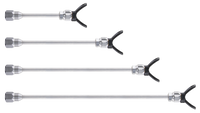
3. Take out the tip and filter, checking both for buildup or damage. Clean or replace as needed.
4. Run cleaning solution through the hose until no residue remains.
5. Reassemble everything, test at low pressure, then work back up to operating speed.
This method usually clears minor clogs and resets the flow. If the issue returns, it might mean internal components are wearing down inside the pump or gun.
That’s where Titan paint sprayer parts make a difference. They’re designed to match specific systems and hold up under pressure. They also work well with thicker coatings, which are often harder on equipment. Replacing parts with matching components helps keep flow consistent and stops problems before they start.
Building routine maintenance into your schedule gives your equipment a longer life. Doing a full inspection before the summer spray season, checking parts mid-season, and flushing between jobs can stretch the time between major service needs. Taking short breaks to clean and replace tips or filters often prevents longer interruptions later on.
Preventive Measures to Avoid Future Clogging
It’s much easier to avoid a clog than fix one once it happens. A few good habits can keep paint lines running smooth, reduce stress on machines, and make the workday better for everyone.
Follow these tips to cut down on future issues:
- Strain and Mix Paint the Right Way
Even new paint can carry dust or small solids. Use a strainer or mesh filter before pouring into the hopper. Stir thoroughly or, better yet, work with a mixing attachment to break up thick spots. Smooth paint flows better and stays moving.
- Monitor and Change Filters
Filters catch more than most people think. Swapping them out regularly keeps junk from building up. Don’t forget to check them after longer breaks or if you’re switching coating types.
- Stick With Quality Accessories
Off-brand hoses and fittings wear quicker and may not take the pressure of larger sprayers. Using the right filters, tips, and couplings for your machine saves time and money in the long run.
- Keep the Outside Clean
Paint dried around tips or hose ends can chip off into fresh material. A quick wipe of all joints, triggers, and tips can stop those flakes from reaching the lines.
- Store Sprayers After a Proper Flush
Leaving material in the hose overnight means waking up to hardened paint. Always empty and clean the system, then store everything in a clean, dry spot if it’s not going back into action soon.
Habits like these save time later. Spending 10 minutes flushing and inspecting can prevent hours of shutdowns and troubleshooting on the job.
Keep Your Gear Running and Projects On Time
Spraying equipment plays a major role in keeping jobs on schedule, especially on large projects that demand daily performance. When those paint lines are clear and moving freely, every task feels more productive. But even a small clog can take a full system offline if left unchecked.
Keeping an eye out for early warning signs like uneven spray, slow flow, or unusual noises helps stop larger failures. Investing in regular upkeep and replacing worn pieces before they break is just smart working. Titan paint sprayer parts offer reliability that heavy users can count on, especially when the work doesn’t slow down.
At the end of the day, maintenance is less about responding to breakdowns and more about preventing them in the first place. When your sprayer works how it’s supposed to, your crew does too. Less downtime, smoother coating, and faster cleanups all start with good habits and quality parts. Keeping ahead of problems keeps projects moving forward.
To keep your spraying equipment performing its best and minimize disruptions caused by clogs, it’s important to use dependable components built for the job. You can find tough, job-ready Titan paint sprayer parts at Integrity Supply to help maintain steady flow and prevent future issues, giving your crew more time to focus on high-quality application and less time troubleshooting equipment failures.