




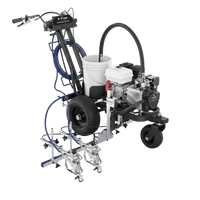












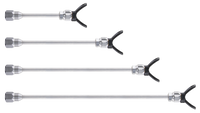







Getting the right finish on any painting job starts with more than just a good sprayer. The real secret lies in the spray tip. Spray tips may be small, but they play a big part in how your paint goes on. Use the wrong one, and you could end up with uneven coverage, overspray, or even clogging. Picking the right tip makes your paint job smoother, quicker, and more professional overall. Whether you're spraying a wall, a ceiling, or the outside of a building, the type of paint you're using makes a big difference in how everything turns out.
Airless paint sprayers are helpful tools for bigger jobs where speed and coverage matter. These machines work by pushing paint through a small tip at high pressure, creating a fan-shaped spray pattern. But not all paints are the same. Some are thick, some are thin, and others fall somewhere in the middle. Matching your tip to your paint consistency is key to getting things done right the first time without wasting material or spending time fixing problems after the fact.
Understanding Paint Consistencies
Before picking a spray tip, it's helpful to know what type of paint you're working with. Not all paint flows the same. Some are thicker and need more pressure to spray well, while others are thin and move easily through a smaller opening. Spray tips are marked with numbers that relate to the orifice size and the width of the spray pattern. Both matter depending on your surface and the material you're using.
Here’s a quick breakdown of paint consistencies:
- Thin: Stains, sealers, some varnishes
- Medium: Most latex paints and general-purpose coatings
- Thick: Elastomeric coatings, block filler, intumescents
Thinner paints need smaller tips so you don’t apply too much product at once. Thick paints call for larger tips to allow enough material through without stressing the sprayer. If the tip is too small for a thick paint, it could clog or spray unevenly. If it’s too big for thin paint, you might waste paint or end up with drips and sags.
Paint thickness also affects how the spray fan forms. Thicker paints can reduce the width of your spray if the tip is too small. Thin paints might blast out too wide if the opening is too large. Matching things correctly saves time, reduces waste, and helps deliver a better-looking result.
Matching Spray Tips With Thin Paints
Thin paints are common for jobs like fences, decks, or sealing wood. Because they move through the sprayer easily, they don’t need a large tip to flow. Using a tip that’s too big could cause runs or over-application. A smaller tip gives you more control over how much material lands on the surface.
Spray tip guidelines for thin paints:
- Choose a small orifice size like 0.009 or 0.011 inches
- Use a spray pattern 4 to 8 inches wide depending on the surface area
- Start with lower pressure and raise it only until the spray pattern is consistent
Imagine spraying a backyard gate with a light wood stain. You wouldn’t want to blast too much stain at once, or it’ll drip and soak unevenly. With a smaller tip, you get a gentle, even coat that brings out the wood’s natural color without overloading the surface.
Even with thin paint, tip maintenance is important. These materials can dry quickly and start to clog small tips faster than you might think. A properly sized tip helps finish your project right and keeps your equipment in good shape for the next job.
Best Spray Tips For Medium Consistency Paints
Medium consistency paints include some of the most commonly used materials across residential and commercial painting. These often include latex wall paints, acrylics, and all-purpose coatings. You’ll likely use medium paints for drywall, ceilings, siding, cabinets, and trim.
This level of thickness flows well but still needs the correct tip to stay efficient and clean. A tip that’s too small slows you down, while one too big might cause extra work fixing drips or cloudy finishes. The sweet spot is usually somewhere in the mid-range when it comes to orifice size.
Recommendations for medium consistency paints:
- Use tip sizes around 0.015 to 0.019 inches
- Choose wider fan widths for large, open areas like walls or exterior siding
- Go with narrower fans for trim or more detailed work, where you want extra control
If you’re repainting an interior living room with latex paint, the right medium tip helps you get good coverage without going over the wall too many times. It keeps your spray pattern full and even while avoiding build-up along edges. Medium paint and tip combinations are all about finding the right tempo—quick but clean, broad but accurate.
Keep your technique steady and don’t push pressure too high. A well-matched spray tip for medium paint lets the paint lay down evenly without fogging up the air or wearing out your sprayer fast.
Optimal Spray Tips For Thick Paints
Thicker paints are often used on rougher or outdoor surfaces where durability matters more than a glassy finish. Some examples of thick paints include elastomerics, block fillers, fire-resistant coatings, and heavy primers. These are often used on commercial or structural surfaces like concrete, stucco, brick, or steel.
Since these materials resist movement, your sprayer needs a tip that can handle a higher flow. A tip that’s too small for these paints can clog, strain your sprayer, or produce spotty coverage. Larger tips allow that heavy material to move more freely and settle better into textured surfaces.
Spray tip suggestions for thick paints:
- Use tip sizes from 0.021 up to 0.027 inches depending on the product's density
- Spray a bit slower than normal to give the material time to spread and level out
- Hold the sprayer steady and stay the right distance from the surface to avoid heavy spots and overspray
Take painting a bare concrete wall with block filler for instance. A small tip would struggle, making the job harder and longer than it needs to be. A bigger tip gives you easier flow so the thick paint can settle deep and smooth out imperfections. You’ll get better coverage with less frustration.
Using the right size tip for heavy materials helps prevent clogging, excess pressure buildup, and keeps wear and tear to a minimum.
Tips To Keep Your Equipment Performing Well
Your equipment performs best when it’s clean, well-kept, and using the proper parts for the job. A great spray tip is only helpful if it stays clean and your sprayer runs the way it should. Poor maintenance can make good tools give bad results, whether that's in the spray pattern, speed, or the condition of the parts.
Helpful habits for cleaner, sharper results:
- Clean tips and filters right after use before paint starts to dry and harden
- Replace worn tips regularly when the spray pattern looks misshaped or coverage isn’t even
- Store all spray tips in clean containers to keep them dry and free from surface junk
- Match your sprayer’s internal filters to the type of material being used to stop clogging before it starts
- Inspect gaskets and seals occasionally to avoid sneaky leaks or power loss
Replacing tips when they start wearing down makes a difference in every coat you apply. So does using quality accessories like guards and filters made to pair with your sprayer. Keeping everything together in great shape saves you time and keeps every job moving forward.
Get the Perfect Finish with the Right Tips
When your paint type works well with the right spray tip, jobs run smoother and the finish looks better with less cleanup. Thin paints call for tight orifices and soft fans. Medium consistency paints need moderate tip sizes that balance coverage and flow. Thick paints require wide openings so they can flow consistently and settle correctly.
It all boils down to knowing the material and choosing the spray tip that handles it without a fight. Every hour on-site gets easier when your tool is helping, not holding you back.
So before you pull the trigger on your sprayer, spend a minute thinking about what kind of paint you’re using and which tip will make it perform its best. A good tip makes the whole job better—from your product coverage to how long your gear lasts. Matching the right tip with your paint helps you move quickly, apply evenly, and get results you’re proud of.
Choosing the right spray tip is just one piece of getting a smooth, professional result. When paired with reliable tools, it helps you work faster and cleaner. To complete your setup with dependable gear, explore the accessories for airless paint sprayers available at Integrity Supply and make sure every spray delivers top-quality coverage.