
















A smooth, even paint job doesn’t just happen by luck. It comes down to having the right tools and knowing when to use them. Whether you're working on a tight deadline or tackling several jobs back to back, professional results start with the gear in your hand. The right setup keeps your work efficient and your finish flawless.
When everything from consistency to coverage matters, skipping out on the right tool can cost you in the long run. That’s why professional painters rely on specific hand tools and power tools to get the job done right. They don’t just help speed things up. They also support quality that lasts. The tools you choose, and how well you take care of them, can make a big difference in how your work turns out.
Essential Hand Tools For Professional Paint Application
Getting a streak-free, durable paint finish starts before the first coat goes on. Professional painters know that prep is just as important as paint, and that means using the right hand tools from the very beginning.
Here’s a breakdown of must-have hand tools no painter should be without:
- High-quality brushes: For cutting-in around ceilings, corners, doors, and trim. Pick angled bristles for tight spots and straight ones for flat edges.
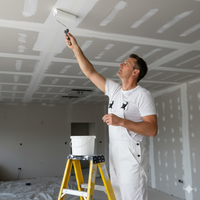
- Rollers and roller frames: Best for large areas. Choose covers with the right nap depending on whether you’re painting smooth walls or textured surfaces.
- Scrapers and putty knives: Important for removing flaking paint, smoothing out surfaces, or applying filler before painting.
- Caulk gun: To seal gaps and cracks that can affect the final look and durability of the job.
- Paint trays and liners: Keep things clean and make switching paint colors faster and easier.
Each of these tools has a specific use, and pairing them with the right stroke and pressure can make a big difference. For example, using a stiff-bristled brush for thin paint will leave brush marks and streaks. On the flip side, a soft-bristled brush loaded with thick paint can cause sagging and drips. The trick is learning what suits your chosen paint type and surface.
For rollers, think about surface texture. A smaller nap works better for smooth drywall, while rough surfaces like brick or stucco need thick naps to properly fill in all the pits and gaps.
Make sure whatever you’re using is cleaned properly after every job. Leftover dried paint on brushes or scrapers can cause uneven application next time. And don’t leave rollers soaking in water overnight. This wears out the core and warps the material fast. Clean them out, spin them if needed, and hang them to dry before storing.
Must-Have Power Tools For Professional Painters
Power tools are what really speed things up and help deliver a more even, refined finish across larger areas. They do a lot of the heavy lifting, especially on commercial or multi-room jobs where deadlines are tight and quality can’t dip.
Here are a few of the most commonly used power tools on professional paint crews:
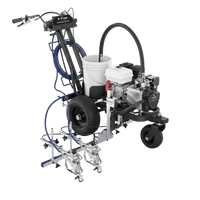
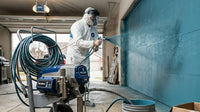
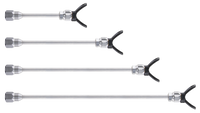
1. Airless paint sprayers: Ideal for big surface areas and consistent coverage. These cut work time dramatically and give a smooth, brush-free appearance.
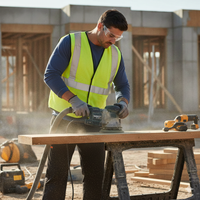
2. Power sanders: Great for getting surfaces flat and ready. They strip old paint faster than sanding by hand and make primer stick better.
3. Paint mixers: Help blend paint easily and evenly. Using a drill with a mixing paddle speeds up the prep and keeps your color consistent.
4. Heat guns: Useful for softening paint during removal or prepping certain surfaces before applying new coats.
5. Extension poles: Technically attachments, but when paired with powered sprayers or rollers, they keep you from needing ladders for high areas.
Before using any of these, it’s a good idea to double-check if the tool is clean, loaded properly, and ready to go. For example, clogged sprayer tips or worn seals can ruin a finish before you realize something has gone wrong. Keeping a few backup parts, like spare tips or filters for a sprayer, will help you avoid major delays.
One professional shared recently how switching from rollers to a sprayer let them cut production time across a three-story house by nearly half. The results stayed consistent without sacrificing detail along edges and trim. That kind of time-saver builds trust fast and helps deliver work that gets noticed.
Power tools also need regular checks, especially moving parts and electrical cords. Keeping everything stored neatly, wiping down after each use, and dealing with any odd sounds or vibrations early on keeps you from running into trouble halfway through a job.
Safety Tools And Equipment For Painters
Paint jobs don't just demand expert brushwork and the right spray equipment. Safety gear needs to be part of the setup too. Whether you're working inside a client’s home or on a commercial site, the risks are real, especially with oil-based paints, solvents, and heavy tools in play.
Start with your basic protection gear:
- NIOSH-approved respirators: These are needed when spraying or working in tight spaces with low airflow. Simple dust masks won’t cut it when you're dealing with fumes or fine particulates.
- Protective goggles: Eye protection is easy to skip and quickly regretted the minute a paint flake or debris flies up.
- Nitrile or latex gloves: Keeping hands clean isn’t just about staying tidy. Gloves help prevent skin contact from soaps, strippers, and primer thinners that can cause irritation.
- Coveralls or disposable paint suits: Ideal for avoiding splatter, whether you’re spraying walls or working overhead.
- Knee pads: If you're spending a lot of time prepping baseboards or painting low sections, cushioned gear can really help reduce joint strain.
Beyond personal protection, painters should always carry slip-resistant shoes or boots. These help with traction on wet or dusty floors where paint or sanding dust collects fast. Ladder safety is another key detail. Always inspect ladders for broken rungs, loose hinges, or bent legs. Every small step you take toward safety protects you from big setbacks that could stop your project cold.
Some painters overlook hearing protection, especially when working around loud equipment like airless sprayers or compressors for extended periods. Repeated exposure can lead to long-term hearing loss, even if you feel fine in the moment.
Before starting any job, take five minutes to walk your workspace and gear. Tighten straps, check airflow, and adjust equipment placements. One example that comes up often is a painter wrapping up trim on a school renovation job when debris shot into their unprotected eye. That delay led to a trip offsite and lost time for the team. That one piece of gear could’ve kept everything moving.
How To Store And Maintain Paint Tools
Taking care of your tools keeps your workflow running smooth and keeps your budget on track. Good gear should last years with proper maintenance, but too many painters rush through cleanup or toss things into a bin after a long shift. That’s how wear and tear sneak in.
Here are some basic steps that can stretch the life of your hand tools and power tools:
1. Clean tools immediately after use. Don’t let paint dry on brushes, rollers, or sprayer tips. Warm soapy water works on water-based paints. For oil-based products, mineral spirits may be needed.
2. Dry tools thoroughly before storing. Moisture promotes rust on metal parts and breaks down wood or plastic handles over time.
3. Store brushes flat or hanging with bristles facing down. Putting weight on the bristles will bend them permanently.
4. Keep power tools in a dry, dust-free place. Use toolboxes or dedicated cabinets and avoid using the cardboard packaging they came in.
5. Label and organize. Use bins or wall hooks so each tool has a home. This saves time hunting for items at the start of every day.
Roller covers should be spun out after rinsing, then wrapped in plastic bags or foil once dry. This keeps them ready for the next use without picking up dirt or stiffening. Anything with fine mechanisms, like paint sprayers, benefits from a deeper inspection once a week. Remove filters, sort out blockages, and check for kinks in hoses or cords.
A little upkeep goes a long way. Between fast cleanups and organized storage, that daily bit of effort saves you from needing frequent replacements and helps prevent frustrating equipment failures halfway through a job.
Reliable Tools Mean Reliable Results
When you’ve got the right tools on hand and take care of them, each job becomes more predictable. Brushes that hold their shape and sprayers that lay down an even coat without clogging make your work look cleaner and last longer. Tools that work well also support your speed. Less fuss with breakdowns or reworks means you can focus more on results for yourself and your clients.
Good gear alone won’t make someone a pro, but it does help seasoned painters work better, faster, and safer. And when those tools are stored properly, cleaned thoroughly, and matched to the right surface or space, you're in a strong place to do your best work. Whether you're prepping a two-bedroom rental or repainting a large apartment complex, the tools you use leave a mark long after the brushes are put away.
Paint jobs come with enough surprises. Having trusted hand tools and power tools gives you one less thing to worry about. It's a smart move that supports better craftsmanship now and keeps paying off on every future job.
For painters looking to enhance their craft, choosing the right hand tools and power tools can make all the difference in achieving a flawless finish. Explore the wide range available at Integrity Supply and discover how quality tools can elevate your painting projects. Access our selection today and ensure your next job is completed with precision and ease.