




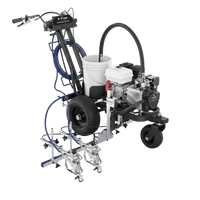


















Gas paint sprayers are a smart pick for contractors and pros who need solid, steady performance and the power to cover big surfaces. They’re widely used on commercial job sites or larger residential projects where electric sprayers might not cut it. With long reach and reliable spray patterns, gas sprayers help deliver a clean, fast, and professional finish.
But from time to time, even the best equipment can give you trouble. A Titan paint sprayer might start acting up mid-job or fail to start altogether, and that can throw off your whole day. Luckily, most of the typical engine problems are rooted in small issues you can fix before they become big ones. Whether it's fuel quality, poor maintenance, or worn-out parts, knowing where to look first makes all the difference.
Stalling And Hard Starting Issues
One of the top issues people report with gas-powered sprayers is the engine stalling or refusing to start. Sometimes it might start just fine, only to die within minutes. Other times, it won’t give any signs of life no matter how many times you pull the cord.
Here are a few reasons this might happen:
1. Old or stale fuel sitting in the tank for too long
2. Dirty air filter that blocks proper airflow
3. Worn or fouled spark plug
4. Clogged carburetor due to dried fuel or grime
5. Wrong use of the choke during startup, especially in different temperatures
A quick check on the spark plug can often reveal the problem. Look for loose wires, signs of wear, or carbon build-up. If the engine takes more than four pulls to start, stop and reassess. On hot days, engine flooding is a common cause—especially if the sprayer smells strongly of fuel. Stepping back for a minute and retrying without the choke might fix it.
Remember that startup takes a little patience. Use the choke in cold weather, keep your pulls steady (not rushed), and give the engine a short warm-up period before getting into full operation. With a Titan paint sprayer, that consistent startup routine goes a long way.
Engine Overheating
An engine that runs too hot can burn out early or shut off right when you're in the zone. That heat doesn't just affect the machine—continuous overheating can cause real and lasting damage.
Watch out for these common causes:
1. Blocked cooling fins that prevent air from moving around the engine
2. Poor ventilation in tight spaces trapping the heat
3. Long usage periods without letting the sprayer rest
4. Using low-quality or improper engine oil
5. Running the sprayer near or past its max load for too long
If you notice the engine noise change or the casing starts to feel hotter than usual, turn it off and let it cool. That simple break can save you from bigger repairs later. Make sure your workspace stays as well-ventilated as possible. Indoors, crack open a few windows or run a fan to help airflow.
Avoid running the sprayer non-stop for long stretches, especially in high heat. Shorter bursts work better and give the engine time to manage its heat levels. Oil checks are another important regular step. Stick to the brand's recommended oil type and interval for changing it. Clean, full oil levels help keep internal temps down and the engine running smoothly.
Fuel-Related Problems
If your Titan paint sprayer won’t stay on, hesitates during use, or suddenly loses power, there’s a good chance the fuel is the issue. Most of these engines are picky about what kind of gas they get and how it’s stored.
Here’s what to keep an eye on:
1. Expired gas that’s lost its strength
2. Fuel filter clogged with rust or grime
3. Dirt or debris in the fuel tank
4. Corrosion or damage along the fuel line
5. Sticky carburetor float needle that causes fuel flow problems
When fuel sits too long—especially in the summer heat—it breaks down and gums up your system. Drain and replace old gas if the sprayer has been sitting unused for a while. The fuel filter can also catch a lot of the junk over time and should be checked often. If you pull the filter and it looks dark or brittle, it's best to swap it out.
Follow the fuel line from the tank to the carburetor. If you spot kinks, clogs, or rust around connections, that flow might be restricted. Keeping these areas clean helps prevent sudden engine stalls and odd performance hiccups. One contractor had a sprayer stop working after months of sitting idle. A quick flush of the tank and filter swap made it run like new again.
To keep things cleaner long-term, store gas in a sealed, dry container. Use fuel stabilizer if the sprayer’s going into storage for a bit. And always use the manufacturer-recommended fuel type to avoid engine stress.
Air Filter And Spark Plug Maintenance
These two small parts carry a lot of weight when it comes to keeping your Titan paint sprayer engine running right. With a blocked air filter or worn spark plug, everything else starts to break down—performance, fuel use, and startup all take a hit.
Healthy engine function depends on steady airflow and a reliable spark. If either is off, the problems stack up fast. The good news is that both parts are easy to inspect and replace.
Here’s what your maintenance routine should include:
1. Check the air filter every 10 to 15 hours of use
2. Tap out dust gently if the filter’s not too clogged
3. Replace the filter if it’s dark, brittle, torn, or can’t pass light
4. Inspect the spark plug for buildup or damage
5. Replace the spark plug promptly when you see fouling or corrosion
Hold the air filter up to a light source. If you can’t see any light coming through, it needs replacing. Spark plugs should be swapped at least once per season with regular sprayer use. Keep a couple of each spare part on hand to make quick changes without delays.
Ignoring these small pieces just leads to bigger problems later, including rough idling, low spray pressure, or misfires. Staying ahead of filter clogs and spark plug issues saves time and helps your sprayer last longer.
Prolonging the Life of Your Titan Paint Sprayer Engine
Simple checks and regular care lead to fewer job delays and longer sprayer life. Whether you use your Titan sprayer all season or just a few times a year, good habits now prevent headaches later.
Stick to this short list for better longevity:
1. Always use fresh, high-quality gas
2. Clean or change filters before they’re fully blocked
3. Wipe down the engine and check for dirt after use
4. Let the engine cool off between long jobs
5. Do a quick pre- and post-project check of cables, fluids, and hoses
An easy five-minute routine before loading your sprayer can spare you hours of clean-up or breakdown fixes. If anything starts to look off—whether it’s a noisy engine, strange smells, or slow starts—don’t brush it off. A quick check now usually beats a complicated repair later.
Keep It Running, Keep It Working
Gas-powered paint sprayers work hard on every kind of job from siding to warehouses. To keep them in shape, you’ve got to think beyond one-off fixes. Routine checks, clean fuel, and timely part replacements make everyday maintenance easy and effective.
If the same problem keeps coming back or your sprayer sounds different than it used to, something deeper may be going on. That’s when it’s smart to step back and let a professional take a look. Getting an expert involved early can keep minor issues from turning into major downtime.
Taking care of your sprayer isn’t about making it perfect—it’s about making sure it works when you need it and doesn’t stop in the middle of a job. Give it the attention it deserves, and it’ll keep getting the job done right.
Keeping your equipment maintained means fewer delays and smoother results on the job. If you're looking to get better performance and longer life from your Titan paint sprayer, focus on key routines like using fresh fuel, cleaning filters regularly, and monitoring engine temperature. For more support and quality options, count on Integrity Supply to help you get the most out of your gear.