

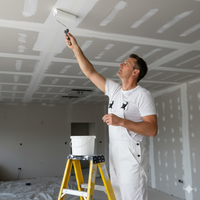


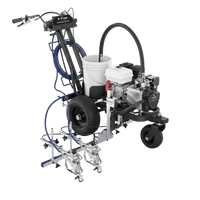


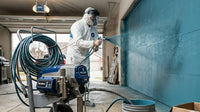












Buying a paint sprayer isn't something most people do every day. When the time comes, you're not just picking a machine—you’re picking how your next few projects look. Whether you're painting homes, industrial buildings, or large commercial spaces, the paint sprayer you choose can make the job smoother, faster, and way less frustrating. But all paint sprayers don’t work the same, and not all of them suit the same type of work.
If you’re browsing for a paint sprayer available online, it's easy to feel overwhelmed. You see all kinds of specs, numbers, and industry lingo that stops making sense after a while. That’s why focusing on a handful of key features can really help narrow down the best options for your needs. Once you know what to look for, picking the right machine becomes way less stressful and way more effective.
Understanding Key Features Of Paint Sprayers
Before choosing a paint sprayer, it's smart to understand what the different parts and specs actually mean. These features make a big difference in how well the machine handles your work and how long it’ll hold up after repeated use.
Here are some of the top features to keep in mind:
1. Power source
- Paint sprayers generally run on one of three things: electricity, gas, or air (pneumatic systems)
- Electric sprayers are common and great for indoor or smaller-scale projects
- Gas-powered ones are stronger and made for outdoor or long-use jobs
- Pneumatic sprayers need an air compressor but can give a smoother finish
2. Pressure capacity
- This is how much force the machine uses to move the paint
- High pressure means faster spray and better coverage, but it may also use more paint
- Lower pressure gives you control and can keep overspray low
3. Hose and spray gun length
- For large surfaces or tall buildings, a longer hose helps you work without moving the base unit around
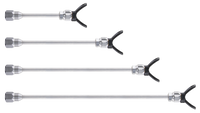
- Some sprayers support extended spray rods and attachments for hard-to-reach corners
4. Material compatibility
- Not all sprayers handle thick materials like primers or elastomerics
- Some are built for light finishes only, while others can switch between thick and thin coatings easily
5. Nozzle and tip options
- The right tip affects spray pattern, coverage, and finish quality
- Quick-change tips are handy when switching between coatings or after clogs
Imagine a contractor working on a metal rooftop. They’d need a sprayer that handles thick, protective coatings and withstands long hours without breaking down. That means high-output pumps, gas power, and multi-gun support. But a painter doing touch-ups inside apartments might need something lightweight with good control. That’s why paying attention to specs can save a lot of time and trouble later.
Types Of Paint Sprayers Compared
Different sprayers serve different purposes. What works great on large wood siding may not hold up well painting cabinetry. Matching the tool to the job can help avoid frustration.
Let’s break down the three main types available:
1. Airless Paint Sprayers
- Push paint through without air using high pressure
- Great for fences, exteriors, and other big surfaces
- Delivers thick, even coverage fast
- Downsides: overspray and cleanup time
2. HVLP (High Volume Low Pressure) Paint Sprayers
- Uses lower air pressure to create a fine mist
- Best for detailed work like baseboards, furniture, or indoor trim
- Offers control and reduced overspray
- Downsides: slower coverage, lighter build
3. Pneumatic Paint Sprayers
- Connect to an external air compressor
- Provide super smooth spray, often used for auto paint or fine finishes
- Good for delicate work
- Downsides: louder and need compressor access
Think about your jobsite. If you’re outdoors and need speed, go with airless. If it’s more about precision, HVLP or pneumatic could be worth the extra time. Knowing how each type works helps match the sprayer to your working style and setting.
Evaluating Performance And Maintenance
Once you narrow it down to one or two types, it’s time to think about how the sprayer performs and how easy it is to keep running.
One spec to focus on is paint flow rate, usually shown in GPM (gallons per minute). A high-flow sprayer covers more square footage faster, good for larger commercial walls or decks. Slower flow works better for jobs requiring care and detail.
Next is spray coverage. Many manufacturers provide an idea of how much area a sprayer can handle in an hour. While this number isn’t exact, it helps estimate time and coverage, especially when working under deadlines.
Maintenance is a big deal. If the machine has too many pieces or constant clogging issues, it will cost time. Pick tools that have reversible tips, quick-flush features, or bucket-feed support. These additions cut down on cleaning time and make it easier to switch coatings.
Look at build materials too. Stainless steel and ceramic usually last longer than plastic. They handle heat and pressure better and lead to fewer breakdowns. If your project needs fast job turnaround, you can’t afford lengthy maintenance steps between tasks.
Good performance is not just about how fast paint comes out. It’s about lasting strength, smooth spray patterns, and how easily it can bounce back after each use.
What To Look For In Reviews
You might scroll past the reviews, but those real-world opinions often provide better insight than product specs.
Here’s what to pay attention to:
- Ease of use: Any complaints about long setup or awkward interfaces may slow you down
- Noise level: Some sprayers are much louder than others, which could be a problem indoors
- Clogging or dripping: Frequent clogs or uneven coat issues are worth flagging
- Directions and support: Reviews that mention poor instructions or missing pieces can be a red flag
- Durability: If several users talk about their machine still running strong after long-term use, that’s a great sign
Let’s say a gas sprayer performs well under pressure, but multiple users mention it’s tricky to flush out after using thick paint. That’s something worth knowing now, instead of the night before a big job. Real feedback helps verify if a sprayer meets your expectations and holds up in conditions similar to yours.
Making the Best Choice for Your Project
By now, you’ve looked deeper into what separates one sprayer from another. You’ve thought about power sources, pressure strengths, coating options, and even what other users have said. So where do you go from here?
Start by listing your top priorities:
- Are you painting indoors, outdoors, or both?
- Do you need speed or a neat, fine finish?
- Will this sprayer be used every week, every day, or just occasionally?
- Are you staying on one jobsite or moving often?
- Will you switch coatings often or stick with one type of paint?
Your answers will tell you what really matters. If you’re dealing with lots of changes or heavy materials, focus on power and versatility. If it’s precision and cleanliness, lean toward tip control and spray pattern customization.
The goal here isn’t to find the fanciest or most expensive sprayer. It’s to find the one that fits your unique work environment.
Paint with Better Control and Less Stress
Picking the right sprayer means fewer headaches and more results. With the right setup, you’ll waste less product, hit deadlines faster, and finish jobs with smoother, cleaner coverage.
When your tools match your work pace, every project gets easier. Whether you’re spraying protective layers on roofing systems or working through rows of siding, your equipment should work as hard as you do. The right sprayer doesn’t just push paint. It carries your project forward, one coat at a time.
To make your painting projects smoother and more effective, consider choosing a high-quality paint sprayer available online that suits your needs. At Integrity Supply, you'll find reliable equipment designed to keep up with the pace of your work and deliver professional results with every coat.