



















An HVLP paint sprayer can apply a controlled finish when the coating, equipment, and work are a good match. For a professional buyer, the right choice begins with the material and production needs, not a broad claim about what a sprayer can handle. Check the coating label and sprayer manual before choosing or using a unit.
Explore paint spraying equipment
What does an HVLP paint sprayer do?
HVLP means high volume, low pressure. A system atomizes coating and carries it with air from a turbine or compressor. The approach can be useful when a buyer needs control on smaller parts or detailed surfaces, but individual systems differ in material limits, capacity, nozzle options, pressure, and cleanup. A label alone does not establish that a particular unit suits every paint or project.
Think of the sprayer as one part of a matched system. The coating, fluid passage, air source, spray pattern, operator technique, surface preparation, and environment all affect the result. A gun that fits one product may not be approved for another. Read the specific product instructions before assuming that a coating can be sprayed, or that a thinner or reducer is appropriate.
When is an HVLP paint sprayer a good fit?
HVLP may be considered for detailed work such as cabinet doors, trim, furniture, and small components when controlled passes matter. The comparatively contained work area can make it easier to pay attention to edges, profiles, and repeated parts. This does not mean overspray disappears or that masking and ventilation are optional. Protect surrounding surfaces and follow the coating's safety directions.
For broad wall areas, heavy-bodied coatings, or high-volume production, compare the unit's specifications with the work and consider whether another method is more practical. Think about how long it takes to fill a cup, cover the surface, change position, and clean the equipment. The best choice is not simply the tool with the most features. It is the equipment that can apply the approved material at the needed pace without creating an impractical cleaning burden.
Consider the work mix rather than a single ideal project. A contractor may use one setup for fine trim and another for larger surfaces. A maintenance team may prioritize a manageable setup that can be cleaned between occasional jobs. A small furniture batch may justify careful test work, while repetitive production makes consistent settings and repeatable handling more important.
How should you choose an HVLP paint sprayer?
Start with the exact coating and surface. Review the coating label, technical information, and sprayer manual together. Confirm permitted materials, viscosity limits, nozzle or fluid-set requirements, pressure settings, and cleaning instructions. Never thin a coating unless its directions allow it, and use only the specified reducer. If the instructions do not clearly establish compatibility, ask the coating or equipment manufacturer before proceeding.
Then consider the air source. A turbine system includes a matched air source; a compressor-fed gun needs a compressor that can sustain its stated air volume at operating pressure. Tank size alone does not establish whether a compressor can keep up. Compare the gun's demand with the compressor's delivered output under operating conditions. Check electrical requirements and whether other tools will draw on the same supply during work.
Next, assess how the sprayer will be used. Cup capacity affects how often an operator must stop to refill, while a larger container may add weight when the tool is held for long periods. Hose length and weight affect reach and movement. Verify which nozzle or fluid set is included and what additional setup the coating requires. Check cleaning steps, replacement parts, and whether the unit can be safely transported and stored between jobs.
For a team, include training and repeatability in the comparison. Is the setup straightforward to explain to multiple operators? Can workers identify the correct settings from the manual and record them for a repeat job? Are the disassembly and cleanup procedures clear? A system that one experienced operator can manage may be less useful if others cannot safely reproduce the process.
What should you compare before selecting a model?
| Factor | Check | Why it matters |
|---|---|---|
| Coating | Approved materials and viscosity limits | Compatibility supports reliable application and proper use. |
| Air | Turbine details or compressor output | The supply must meet the gun's demand throughout the pass. |
| Fluid setup | Cup size and included nozzle | These affect refills and material delivery. |
| Work scale | Intended applications and production needs | A detail unit may be inefficient on a large area. |
| Operator needs | Weight, hose reach, and handling | Comfort and access shape how consistently work can be done. |
| Maintenance | Cleaning procedure and replacement parts | Cleanup affects downtime and repeat use. |
How do you prepare for an HVLP paint sprayer job?
Protect nearby surfaces and stage the work so each face can be reached without awkward movement. Confirm ventilation and protective equipment from the coating label and manual. Keep ignition sources away from flammable products and follow all safety instructions. Plan where parts will be placed after spraying so wet surfaces do not need to be handled unnecessarily.
- Read directions. Confirm material compatibility, equipment setup, personal protection, ventilation, and cleanup. Check the product's stated working conditions and recoat instructions.
- Prepare the surface. Clean and repair it, then sand or prime according to the coating system. Remove dust and protect areas that should remain uncoated.
- Set up safely. Mask surrounding areas, position lighting, and route hoses and cords away from wet work and walkways. Keep the work zone organized.
- Prepare material as directed. Mix or strain only as instructed. Do not improvise a thinning ratio. Use a clean container and avoid contaminating the coating.
- Test the pattern. Use a representative scrap or panel before spraying the finished surface. Check the result under suitable lighting.
A useful test surface resembles the real piece in material, orientation, and preparation. A quick test on an unrelated scrap can still show whether the equipment produces a consistent pattern, but it may not predict how the actual surface absorbs or reflects the coating. Treat the test as a process check, not a guarantee of the finished appearance.
How should you spray with an HVLP paint sprayer?
Use the distance and angle stated by the manufacturer. Move steadily, keep the gun square to the surface, and overlap passes consistently as directed. Avoid sweeping in an arc, which changes the distance across a pass. Plan the sequence for edges and faces before starting, especially on doors or cabinet parts. Make sure you can reach the full surface without twisting or stopping over the work.
Pay attention to the start and end of each pass. Triggering and releasing according to the manual helps avoid excess material in one spot. Keep the speed and spacing as consistent as practical. When spraying a panel or door, decide how you will handle edges and corners so they receive appropriate coverage without repeatedly flooding them while coating the broad face.
Watch for runs, dry texture, uneven sheen, or missed areas. Pause and identify a likely cause instead of adding more material to a problem spot. Distance, speed, air, fluid delivery, preparation, and conditions may contribute. Follow the coating's recommended film thickness and recoat guidance. Do not try to conceal a defect by applying an unplanned heavy coat; additional material can create a different problem and interfere with drying.
How can you build a useful test routine?
Use a sample similar to the real surface. Establish a baseline from the manual, check that the pattern is even, and make a controlled pass. Inspect the result at the stage allowed by the coating instructions. Change one permitted setting at a time, then repeat the sample test. Recording the coating, nozzle, air source, settings, and observations helps reproduce a setup across a batch.
A test should answer a question, not invite random adjustments. If the pattern is inconsistent, check the material level, air supply, and fluid path before changing several controls. If coverage looks uneven, review distance, movement, and overlap. Do not increase fluid delivery to solve every defect. Excess material can cause runs or extend drying. Thinning can alter performance and may not be permitted. Treat the coating maker's limits as controlling.
When a team is working on repeated parts, agree on a simple record before the first production piece. Note the coating identification, preparation, equipment setup, and observed result. Keep the record with the job information and follow the same safe procedure for later parts. A record does not replace the manufacturer's instructions, but it can help the team notice when a change in material or conditions calls for another test.
How do project conditions affect HVLP results?
Temperature, humidity, airflow, lighting, and part position all affect the work. Check acceptable conditions on the coating information. Required ventilation takes priority; do not reduce it to control overspray. Instead, plan airflow and protect adjacent surfaces. Use lighting that reveals edges and surface defects without putting the operator in the spray path.
Consider the path of air through the work area. Strong or poorly directed airflow can carry overspray onto nearby surfaces or interfere with the work. Do not block required ventilation to manage that issue. Reposition the work, use suitable masking, and follow safety guidance to maintain the conditions required for the coating and operator.
Arrange parts on stable supports and plan where they will dry. Avoid touching fresh surfaces while moving pieces. For a batch, label or order the parts so no face is missed and the recoat sequence is clear. Keep the route to the drying area open. If conditions change during the job, pause and confirm the product instructions before continuing rather than assuming earlier settings remain suitable.
What safety checks belong in the plan?
Use protective equipment and ventilation specified by the product information. Do not assume ordinary clothing or a generic mask is sufficient. Keep people and pets outside the controlled work area. Check hoses, fittings, electrical connections, and the gun for leaks or damage. Use the prescribed shutdown and pressure-relief procedure before opening or cleaning equipment. Never point a pressurized gun at anyone or test a leak with your hand.
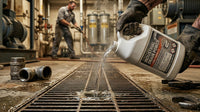
Keep containers closed when not in use. Plan for spills and waste, and follow product labels and local requirements for leftover coating and cleaning materials. Do not pour material down a drain unless instructions and local rules permit it. Store products as directed and keep labels available to anyone handling them. If the coating instructions call for precautions you cannot provide at the site, do not begin until the work area can meet them.
Before a shift or change of operator, make sure the next person understands the equipment's safe operating procedure and the location of the product instructions. Do not bypass guards or use damaged equipment. If a hose, electrical component, or gun appears compromised, stop and follow the manufacturer's service guidance rather than improvising a repair.
How can you troubleshoot common problems?
- Irregular spray: Check material level, pickup, air supply, and the fluid path according to the manual. Clean only as directed and verify that the correct setup is installed.
- Uneven coverage: Review distance, speed, overlap, and whether the fan suits the part. Check whether edges or angles were missed in the planned sequence.
- Runs: Check the application rate and allow drying as instructed before corrective work. Do not sand or recoat before the coating directions allow it.
- Rough or dry finish: Review distance, conditions, material compatibility, and the permitted settings. Test an adjustment on a sample before returning to the part.
- Interrupted output: Check supply, filters, connections, and compressor delivery. Shut down safely before inspecting or cleaning any component.
- Pattern changes during work: Pause to check material level and the equipment according to its manual. Avoid compensating with a large setting change before identifying the cause.
Shut down safely before inspection. Avoid improvised tools or disassembly beyond the maintenance procedure. If the cause is unclear or equipment is damaged, stop and seek manufacturer or service guidance. Make a note of the symptom and any checks already completed so the next troubleshooting step can be focused.
How do you clean and store the sprayer?
Clean promptly using the coating and equipment instructions. Disconnect power or air as directed, relieve pressure where applicable, and empty material safely. Follow the specified disassembly and flushing steps. Use only cleaning materials allowed by the coating and equipment directions. Dispose of waste according to labels and local requirements.
Do not leave material in passages or containers beyond the time permitted by the product instructions. Dried residue can interfere with later operation and may require procedures that the manual does not recommend for routine cleaning. Keep parts organized during disassembly and follow the specified order when putting the gun back together.
Inspect routine-care parts and replace damaged components with compatible parts. Store the unit clean and dry, with hoses and cords protected from sharp bends. Protect the nozzle and other precision components from impact and contamination. Before the next job, check that the equipment is assembled correctly and that the planned coating remains compatible with the setup.
What should you ask before buying?
Use a short list to compare models on the work you actually expect to do:
- Is the model intended for my coating and project size?
- Which nozzle or fluid set is required, and is it included?
- Can my compressor sustain the required air delivery?
- What cleaning materials and steps are required?
- Are compatible replacement parts available?
- What protective equipment and ventilation does the coating require?
- How much material can the cup hold, and how will that affect interruptions?
- Can the operator reach all work areas with the hose and cord arrangement?
- What is the recommended way to test the spray pattern and adjust settings?
- Can the team repeat the setup consistently across multiple parts or shifts?
Write down the coating name, surface, project scale, and air source before comparing options. Browse the spraying equipment collection and verify current specifications and included parts. Integrity Supply serves painting and contractor supply needs; confirm the product details for the specific model you are considering.
Call Integrity Supply at 866-918-0300 with questions about what to confirm. A useful product discussion starts with the coating name, the surface, the scale of the work, and whether you plan to use a turbine or compressor-fed setup.
Review spraying equipment for your project
Choose for the coating and the work
An HVLP paint sprayer is most useful when its material limits, air supply, pattern, and cleanup needs fit the job. Verify instructions, test the setup on a sample, and follow a careful process from preparation through storage. A considered match helps a buyer compare equipment on practical requirements instead of assumptions.