




















A smooth job site starts behind the scenes, and that usually begins with how a paint supply warehouse is run. Crews cannot afford delays when a project is already under contract, and the smallest gear gap can throw off a day's work. That is why having a system in place that keeps supplies stocked, equipment repaired, and tools accessible makes a real difference.
The spring season pushes projects outside, which means faster turnarounds, more equipment on hand, and tighter schedules across multiple crews. Managing parts, materials, and brand-compatible tools with some thought upfront means fewer surprises mid-job. When the right things are in the right spot, and tasks are handled with consistency, the work flows. That is the value a well-run paint supply warehouse brings to both indoor finish jobs and large-scale commercial setups. Our catalog includes more than 30,000 products from over 500 manufacturers, giving warehouses flexibility to support a wide mix of project needs.
Organizing Inventory for Speed and Clarity
Most job delays start with someone needing to track down a missing fitting, a mislabeled tip, or a cup of the wrong product. A clear layout cuts that risk. Grouping gear by job type and product purpose gets everyone what they need faster and lowers the chance of picking the wrong thing.
Sorting things this way can give crews better results with less time lost. A few structure ideas that help:
- Store sprayers, filters, and parts in the same area by brand
- Keep coatings and chemicals grouped by use (interior, exterior, specialty)
- Label bins and shelves using simple project tags that match field terms
When it is easy to scan a shelf and pull exactly what is needed, restocking gets easier too. When a warehouse is organized by work goal, not just product type, it saves time both for warehouse staff and painters loading up for the week.
Tracking What Moves and What Sits
We have all seen supplies collect dust in one aisle while staples go out the door within days. Knowing what flies off the shelf and what tends to sit helps keep items available when crews need them most. You do not always need software to do it either.
Some simple ways to keep tracking useful without making things harder include:
- Tag outgoing gear with project names to notice use patterns
- Mark low stock levels inside bins so restocking happens before running out
- Use job checklists from past seasons to prep common refills
May is a high-activity month, with projects ramping up before summer heat really sets in. Watching product flow closely during this window gives a clearer picture of what to reorder, what to phase out, and what to double up on before jobs back up.
Training Warehouse Team Members for the Busy Season
Crews can only move at the speed of the supply line, and that flow depends on the people in the warehouse knowing how to prep quickly and correctly. Training matters here. A team that can spot a misfit part before it ships out avoids hours of lost field time.
Even basic coaching can lead to fewer mistakes. To get ready for the mid-season push:
- Build loadout kits by job type using reusable bins
- Use color labels or board lists to separate gear by coating material
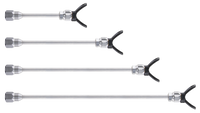
- Teach the difference between common spray system tips, hoses, and nozzles
Knowledge on small parts may seem minor, but it saves major time when repairs are needed mid-job. When new hires understand what matters at the job level, not just which shelf stocks which box, everything moves smoother.
Working with Brands Like Graco and Titan for Reliable Gear Flow
Using products that share a common setup across jobs can prevent a string of avoidable delays. That is where staying brand-consistent comes into play. Graco and Titan are two major names crews rely on, and for good reason.
When tools, parts, and accessories stick to the same brand design, we see fewer issues like mismatching fittings or struggling to find a replacement on short notice. Staying within those brand lines gives us:
- Easier part backups with less hunting for adapters
- Faster repairs because tools were built with shared design in mind
- Clearer training since function and layout stay familiar from one job to the next
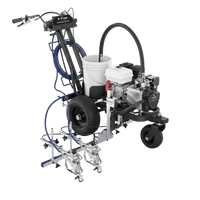
We keep these brands stocked often because we are sourcing for real jobs, not just shelf variety. It helps the warehouse stay ready with tips, hoses, strainers, and guns that line up with what crews use most often. Our Graco selection includes airless sprayers, spray guns, hoses, tips, filters, and repair kits that support both new setups and ongoing maintenance.
Planning Ahead for Regional and Seasonal Demands
Mid-May is the time to prep for early summer runs. Weather shifts, days get longer, and projects start building back to back. That is when fast handoffs between jobs mean the gear cannot lag behind. Thinking a few weeks ahead helps the paint supply warehouse keep up.
Different regions add different needs. For instance:
- Southern crews may need faster replacements due to heavier humidity wear
- Northern locations often pick up speed with dry weather stretches and longer daylight
- Coastal jobs may require more exterior-grade tools and coatings stocked in advance
By now, most crews have spring work scheduled, so the warehouse needs to stay ahead of that curve. Extra filters, touch-up guns, or uncommon fitting sizes should already be on the shelf or in the order flow. These steps mean we are not scrambling when the schedule picks up.
Keeping Paint Jobs Moving, From Shelf to Site
When the paint supply warehouse is planned right, the jobs flow easier. From how we label bins to tracking which filters disappear fastest, little adjustments shift the pace in big ways. Getting team members trained up in May avoids the chaos that comes mid-season.
Reliable brands like Graco and Titan give us the parts and gear crews count on, and we stock smart for the way regional weather hits gear harder. In the end, it is all about keeping painting jobs moving instead of waiting for tools to show up. When the supply side moves with purpose, crews get to focus on painting, not chasing pieces.
At Integrity Supply, we understand that having the right setup at the right time is critical to your success. A well-run system keeps downtime low, improves gear access, and helps crews get to work quickly. If you are working on better ways to organize, plan, or restock your paint supply warehouse, we are here to support the flow from planning to project. Let us know how we can help keep your jobs on track without delays. Give us a call today.