

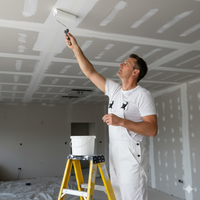


















Once temperatures drop, working inside becomes the priority for many painters. But cold indoor conditions can still create their own issues. Every part of a painting project can be affected when the air is dry and the walls feel colder to the touch. Paint behaves differently, and tools that usually work fine start falling short.
When it comes to rollers, this is especially true. The types of paint rollers you choose can either help your job stay on track or slow everything down. Some rollers won’t hold product well, while others struggle to apply paint evenly in cooler temps. Having the right gear matters if you're tackling big indoor projects this winter—and it starts with understanding how different rollers perform when it’s cold.
Choosing Materials That Handle Cold Room Conditions
Not every roller cover performs the same when the jobsite gets chilly. Temperature shifts have a real impact on how fibers absorb and release paint. Synthetic materials like polyester and nylon usually handle lower humidity better. They don’t soak up moisture, so they keep a more consistent paint load when working indoors during a cold spell. Natural fibers can get stiff or drag more as the air dries out, slowing down your pace and affecting the finish.
Woven covers offer more control in rooms that don’t warm up much during the day. They create tighter, cleaner finishes with less splatter than knit or blended types. Foam rollers work for smooth surfaces or thinner paints, but usually carry less paint overall, which means more frequent reloads.
When both surfaces and air temperature tilt on the colder side, it is smart to avoid anything that soaks up too much paint or releases it unevenly. Dense, synthetic rollers keep product moving without overloading or skipping, even if walls are a bit cooler.
Matching Roller Nap to Indoor Surfaces During Cold Weather
Choosing the right nap height is always important, but winter adds another layer. Cold air changes how roller covers move across drywall, plaster, or light textures. On smooth walls, a 3/8-inch nap is usually fine. In spaces that are not heated evenly, or with low airflow, thicker naps are more likely to shed or create streaks more often.
Thicker naps hold more paint, which sometimes helps with coverage, but in cool spaces they might release paint unevenly. Late-day work, as rooms cool even further, can make lighter naps feel more predictable on the wall. That dragging sensation from thick nap rollers in a dry room leads to a patchy look on later coats.
Preparing walls thoroughly and testing nap heights at the start helps crews make better decisions as they move through a job. Having a variety of nap sizes on hand keeps the project smooth, even when switching from room to room.
How Roller Frames and Handles Perform in Lower Temperatures
Most people focus on roller covers, but the frame and handle deserve attention, especially in the cold. Basic plastics can turn brittle or slippery once the temperature drops, which makes rollers tougher to control and harder to use when wearing gloves. Metal frames are generally more reliable, but some thinner wire designs can still bend or flex if exposed to repeated cold.
For better winter performance, look for handles with rubber grips or textured surfaces that hold up when hands are chilly. A well-designed roller can lock onto an extension pole, making it easier to reach ceilings or tough spots without straining.
Equipment that keeps its shape and flexibility is key in spaces that stay cool all day. Having strong, long-lasting frames not only saves frustration but keeps work flowing when rooms are only partially heated.
Avoiding Finish Problems with the Right Roller Type
Using the wrong roller in cold conditions can quickly show up in the paint finish. Look for signs such as uneven spread, patchy spots, or lines where the roller isn’t releasing paint evenly. Wet or low-quality rollers may leave bubbles or ridges, especially if cold air slows drying and prevents leveling.
Dense covers are often the solution on primed drywall or fresh coats. Low temperatures extend drying, giving paint more time to develop flaws. If a finish is not looking right after the first coat, check for issues like an over-wet roller, bristle loss, or nap collapse. Switching to a fresh roller mid-job may seem inconvenient, but it cuts down future sanding and fixes.
Rotating good-quality rollers into use can prevent laps and keep finishes consistent throughout colder spaces.
Smart Setups for Crew Efficiency Indoors
The way you store and set up rollers has a big impact when working indoors this time of year. Storing tools where the temperature stays moderate prevents fibers from breaking down. Avoid letting rollers freeze and then rewarming, since that can ruin the material and reduce paint capacity.
Before starting bigger spaces, map out the warm and cool spots in each room to set the best order for painting. Painting from warmest to coldest zones or staggering dry times based on conditions can prevent streaks and roller marks.
Good preparation lets teams avoid mistakes that eat up time, like rollers falling apart or finishes failing to cure. Taking small steps with setup, storage, and wall prep means less rework and smoother results.
Keeping Jobs Smooth with Tools That Fit the Season
Cold indoor jobs usually avoid weather delays, but they come with their own mix of surprises. Picking the right tools, especially the best types of paint rollers for each surface and environment, becomes even more important for keeping jobs on track.
Selecting rollers for your wall type and building temperature, and keeping an eye on roller condition as rooms cool, helps prevent wasted time and product. Durable rollers that keep paint moving evenly protect both finish quality and schedule, especially on bigger winter jobs.
Crews that plan ahead with the right rollers and frame systems see fewer delays, better wall coverage, and less troubleshooting. With reliable tools ready for cold-weather sites, teams spend more time painting and less time fixing problems, keeping every project on pace through the cold season.
At Integrity Supply, we know how much the right painting tools affect both finish quality and job speed, especially when indoor work slows down in cold weather. Details like nap thickness, fabric type, and frame setup can make or break your day. If you’re sorting through the different types of paint rollers for better winter coverage and fewer delays, we’re here to help you find the gear that matches your job conditions and keeps crews moving.