

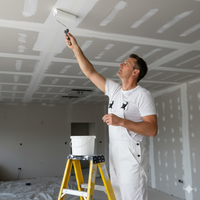




















Painting old walls or beat-up drywall late in winter is not the easiest job. Those uneven parts, little bumps, ridges from bad patches, or repair marks show up more clearly this time of year when indoor light hits at a low angle. If the roller is not right for the job, it can make the surface look worse, not better.
Understanding paint rollers types can steer you in the right direction before the first drop hits the wall. The roller you use affects how smooth the paint looks, how fast the job gets done, and how easily you can fix trouble spots. Picking the wrong type could mean double work or streaky walls you notice every time you turn on a light.
Choosing the Right Roller Material for Wall Texture
Not all rollers react the same once you start covering a wall with uneven texture. Material makes a difference in how well the roller carries paint and how it levels out across lumpy or inconsistent patches.
Here is how the three main roller types tend to perform on rough indoor walls:
- Foam rollers push paint around rather than soaking it up smoothly. They can be useful in small smooth areas but are not a good fit for older walls with a lot of patchwork. Foam tends to slide over imperfections, skipping dips and missing groove edges.
- Synthetic covers (like polyester or nylon blends) hold more paint and release it more consistently. On uneven walls, that cushion of extra paint gives a better chance of filling in rough spots. They can handle basic texture without too much trouble.
- Natural fiber rollers (usually made from lambswool) load more paint and grip the wall better. These work well in houses with heavy texture or bumpy old plaster, especially when the surface soaks up paint unevenly. The softness helps them blend the finish more cleanly when the surface changes midway.
For rooms with a mix of new and repaired walls, synthetic or natural fiber rollers work better than foam. This cuts down on missed spots and gives you more flexibility between changes in the wall. We stock the full range of Purdy roller covers, including White Dove woven fabric covers for smooth and semi-smooth surfaces, and Golden Eagle and Marathon covers designed to hold more paint on semi-rough walls.
How Nap Thickness Impacts Coverage on Rough Walls
Nap is another part to think about. That is the thickness of the roller cover, the fluff, basically. A shallow nap lays down a light coat, while a deep nap soaks up more paint and presses it into low spots.
Here is how different nap thicknesses behave on rough surfaces:
- 1/4 inch or 3/8 inch naps are better for already smooth walls. They do not hold enough paint to fill rough spots and can leave streaks if the wall soaks in the paint too quickly.
- 1/2 inch or 3/4 inch naps help the paint flow over small ridges and holes, laying a thicker coat. They work better for older drywall or light texture. This extra depth helps reach into dips without pressing too hard.
- 1 inch naps or higher are usually for brick, cinder block, or stucco. Indoors, they are often too bulky unless the wall is very rough.
A common mistake is using the same nap thickness for every room, no matter how smooth or bumpy the wall is. That mismatch usually results in uneven color or odd sheens where paint gathered on the raised parts.
Matching Roller Frame Size to the Project
Length and size also affect control. Rolling over a wavy patch with a full-sized cover can push paint too hard into high spots and leave the low parts untouched. Getting the frame right helps keep pressure even.
Things to know about frame and roller length when the wall is not flat:
- Large rollers (9 inches and up) are good for fast coverage on open, consistent walls. They struggle around outlets or corners on uneven surfaces. They are heavy and can skip if you are not adjusting your angle constantly.
- Mid-sized rollers (7 inches) offer a bit more control without slowing the process too much. These help slow things down just enough when working inside tight rooms like bathrooms or hallways with patchy drywall.
- Small rollers or short frames are better for cutting in close to trim, reaching behind radiators, or working on repairs with a lot of wall texture. They do not hold much paint, but they let you stay focused on problem spots.
Roller control matters just as much as material or nap depth. Even the best roller will not help if you cannot keep the pressure even across a wall that is already unpredictable.
How Professional Support Improves Equipment Choices
Season change brings fresh jobs. Around the end of February, people with interior work start rushing to finish before the spring rush begins. That is when it helps to have support from people who know how painting tools work in real settings, not just on packaging.
We help match roller covers and frames to the job. That does not mean just picking by price. Someone might walk in with a job that includes old drywall patches, new repairs, and leftover texture, none of which take paint the same way. Asking a few more questions at the start can keep that from becoming a problem down the line.
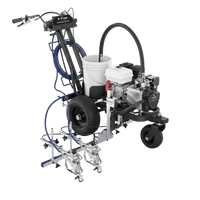
Brands like Graco and Titan are recognized for their spraying systems, but they also make gear that works easily with most roller types. When tools match properly, everything connects the way it should, no leaks, no fit issues, no time wasted adjusting things halfway through the job.
Whether someone is painting an entire room or just cleaning up some indoor damage from winter repairs, having access to roller options that actually match the wall surface cuts down the number of layers needed. That saves energy and avoids redoing spots that did not take paint well the first time. Across our catalog, we offer more than 30,000 products from over 500 manufacturers, so it is easier to align roller covers, frames, and accessories with the specific surface you are working on.
Clear Results Come From Smart Roller Picks
Uneven walls do not always mean you have to struggle through the project. Matching component by component, roller thickness, roller material, frame size, and handle style gives you a better shot at getting things right the first time.
Buying based on looks or habit does not always work well with indoor touchups. The right roller can mean the difference between a finish that blends and one that draws attention to every old patch or rough spot.
Paint rollers may look simple, but picking the right kind means fewer missed spots, less paint wasted, and a better looking surface overall. Whether it is one small room or a full round of end-of-winter paint updates, it makes sense to start with the right roller in hand.
Choosing the right roller is only part of the job. Having the right tools working together makes a difference. Brands like Graco offer equipment designed to support different roller setups and achieve consistent results on uneven surfaces. At Integrity Supply, we stock gear that pairs perfectly with the full range of paint rollers types professionals trust for challenging interior work. Sorting out materials should not slow you down, so let us help you find the perfect fit for your project. Give us a call today.