





















As temperatures dip into late fall, paint consistency changes fast. Paint that flows fine in warm months thickens quickly. That puts more strain on your sprayer’s pump and internal parts. Many coatings become sluggish, clogging fluid lines or slowing pressure builds.
When pressure levels drop or spike, sprayers lose their predictable flow. You might get skips, uneven coats, or complete stops. Cold paint adds drag to valves and pistons, forcing them to work harder. Spray tips can clog mid-job if coatings are not staying consistent.
Those increased bursts of pressure wear down soft seals and gaskets much faster. Over time, you end up with more tiny leaks and weaker spots in the machine. If you’re starting to see more tip spitting or poor atomization, chilled fluids could be a factor.
What Happens to Seals, Hoses, and Fittings in the Cold
Not every cold-weather problem starts inside the machine. Rubber and plastic sprayer parts get hit hard as the temperature drops. These flexible pieces stiffen and lose give. Seals that fit tightly in summer can shrink just enough to leak under pressure, or even crack.
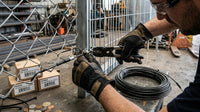
Hoses get stiff and sometimes start to kink, making it tough to maneuver around a job site. Crews rolling out hose or pulling around corners end up fighting what feels like cable instead of flexible line. Forcing a stiff hose to bend can leave tiny splits that turn into bigger gaps later.
Metal sprayer parts are not immune, either. Fittings and threaded connectors expand or contract with cold weather. That expands and contracts joints, eventually loosening them over several days. To avoid problems, always check for leaks or loose connections before starting up.
Supply distributors often recommend regularly replacing seals and having extra gaskets on hand as fall sets in. Many supply stores now offer cold-resistant hoses and premium seals for industrial spray equipment.
Electrical and Hydraulic Component Issues in Freezing Weather
Bigger rigs and commercial sprayer systems often depend on both electrical and hydraulic parts, and cold can interrupt their teamwork. Hydraulic lines thicken up just like fluids, stressing both motors and pumps. You might feel lag or pulsing pressure until the lines are warmed up.
Controllers and onboard sensors do not always respond the same way in freezing air. Low temps affect readings or pause firmware. If you are running battery-powered components, they will drain faster, too. Many lose juice without warning in the cold, risking hidden slowdowns.
Moisture near wiring does not help either. Condensation mixed with electronics or switches can trigger random glitches. A quick morning system check helps catch these before work starts.
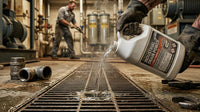
When specifying parts or repairs for winter, supply sources now carry cold-rated batteries and high-performance hydraulic oil formulated for lower temps.
Proper Storage and Maintenance to Prevent Cold-Weather Damage
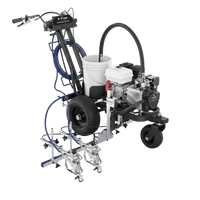
The best cold-weather care for your airless paint sprayer parts starts before you hit the job site. Equipment stored outside in freezing trailers or trucks puts up trouble the next day. Try to set sprayer parts and machines in a warm place overnight or during long breaks.
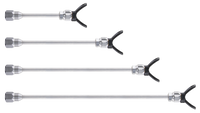
After each use, flush paint lines completely. If you skip this when it's cold, paint can freeze inside the pump overnight, damaging parts from within. Keep up with wear items like filters, seals, and spray tips, especially during cold weeks. It is better to catch shrinking or hardened seals before leaks begin. Replacement kits for sprayer tips or inlet screens are widely available for cold weather set-ups.
Remember, cold makes some issues show up a lot faster, so preemptive checks can keep your winter work steady.
Adjusting Your Jobsite Habits When the Weather Drops
Chill in the air does not have to stop your progress, but it does require small changes to your routine. Give gear a little time to warm up every morning—allow an extra few minutes for spray units to get ready after storage.
Plan to spray during the warmest hours of the day, using sunlight or even a portable heater near your work zone if needed. Cold-weather paint products make life easier since they do not thicken as quickly, reducing stress on parts.
Watch for signs—if your spray gun feels stiff, or the pressure pulse changes while you are working, it probably needs a break or closer inspection. Do not force equipment that seems off; quick checks can save you a costly fix or lost job time.
Keep Your Equipment Running Smooth When It’s Cold Out
Cold snaps hit hard, but a few smart steps can keep your projects rolling. Keep indoor storage in mind, do an extra system check, and address small part failures before they grow.
For crews looking to avoid setbacks, these habits pay off:
- Flush and clean airless paint sprayer parts after use, especially in cold weather
- Store your gear inside to keep hoses and seals from stiffening or cracking
- Plan jobs for mid-day when possible, using cold-weather paint for the tough weeks
- Check and replace seals, filters, and tips early to avoid in-field breakdowns
Cold weather does not just test your patience—it tests your prep. Staying sharp on basic maintenance protects your airless paint sprayer parts from the worst drop in temps and keeps your schedule on track, even when winter rolls in.
Staying ahead of the wear that shows up in colder weather can make all the difference when you're on a tight schedule. When your system starts acting up or the spray pattern feels off, it’s worth checking whether your equipment is still holding up. We carry a wide selection of quality-grade airless paint sprayer parts built to help you keep moving without delays during the colder months. At Integrity Supply, we understand how downtime adds up fast when the temperatures drop. If your setup isn’t cutting it anymore, give us a call—we’re ready when you are.