





















Winter construction has its own pace. The temperatures dip, daylight gets shorter, and schedules stretch a little longer than planned. When that happens, hardware and building materials face new pressures. It’s not just about having what you need, but having it ready to perform. Cold weather changes how fasteners grip, how sealants cure, and how wood reacts. Shipments don’t exactly move faster with ice in the forecast, either.
Builds that drag into late December and beyond need better coordination across supply, delivery, and install timing. That’s why choosing materials that can handle the season—and arriving at the right time—makes a bigger difference than some expect. If one item holds up a crew, a full week can slip away fast. No one wants to solve that with last-minute substitutes.
By learning how materials react, planning ahead for delivery, and syncing tools with each stage of the job, crews can work smarter through the cold.
How Cold Affects Material Choices and Job Flow
Cold weather changes more than just what you feel on your hands. It affects how certain materials behave. Adhesives slow down or stop curing altogether. Fasteners don’t grip as tightly. Different sorts of lumber might pull in moisture, while some materials go brittle or warp as temps drop.
Plastics and rubber flex in the heat, but they can snap or split without warning once it freezes up. Trim boards might swell with snowmelt or shrink once moved inside. That shifting can spoil a clean finish. Caulk and sealants can freeze in their tubes and cure unevenly if air temps never stabilize. Some screw types grip poorly in cold lumber, making outdoor framing less dependable.
These small changes turn into missed hours if the right products aren’t specified or if nothing gets checked before the team arrives. Always look for materials that mention their application temperatures and storage needs. Composite tools or hardware marked “all season” add peace of mind. Matching these recommendations prevents unnecessary downtime and helps both new and experienced crews make better calls.
Timing and Delivery: Shipping Hardware in Winter
Winter delivery is never as simple as it should be. It comes down to more than which items are in stock. Storms, busy docks, and understaffed warehouses all slow down shipments.
Lead times stretch in December and January. Warehousing gets hectic. Drivers handle more stops per route, and shipping costs rise as trucks make fewer runs. Items from adhesives to foundation anchors might get put on hold if freezing could ruin them during transit. Always check in-stock status and shipping lead times before tieing your next phase to a promised delivery.
- Build in a week or more of buffer, especially for mission-critical items.
- Front-load orders so framing, exterior, or site prep gear arrives early.
- Only arrange for finish items or indoor supplies to show up once the space can protect them.
It’s much easier to have hardware and building materials waiting indoors than scrambling to make up lost hours from a shipment stuck outside in the cold.
Coordinating Materials with Site Conditions
Every jobsite is a blend of zones: exterior, interior, exposed, and controlled spaces. Materials left in the wrong place before installation can cause hiccups or damage. For example, unprimed wood trim that sits outside while crews wait to finish the roof might warp from moisture swings. Finish items received before walls are up risk issues if staff can't store them out of winter air.
The key is to mix scheduling and storage, matching the drop-off time of materials to the phase they’re needed. A sample schedule might look like:
- First: Framing anchors, weather-rated barriers, cold-application adhesives
- Next: Insulation, drywall fasteners, vapor barriers for inside work
- Then: Finish paint, flooring, and tile only after the structure is dry and heated
Tailoring the order of hardware and building materials to zones and timelines keeps cycles running tight—even when winter storms roll in.
Winter-Ready Tools That Support Cold-Weather Builds
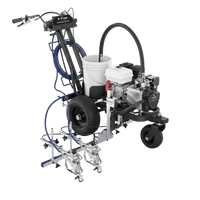
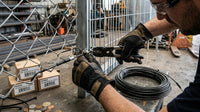
Tools feel the cold, too. Choose versions built for extreme use. Heated extension cords stay flexible, outdoor-rated connectors keep power flowing, and pro paint sprayers designed for heavy fluid handle even the thickest coatings when it’s below thirty outside.
Portable jobsite heaters and work lights mean productivity stretches after dark, while insulated tool bins keep batteries from failing mid-day. Smart contractors supply crews with weather-resistant ladders and power cords, as well as backup sets of the most-used tools.
Routine checks matter. The best tools for winter are backed up by extra batteries, extension cables made for outdoor use, and covers that block out slush and wind.
Built to Last Through the Cold
Projects stay on track in winter when every supply and delivery works with the weather—not against it. Choosing hardware and building materials made for the season and matching them to each step of the build avoids missed days and keeps quality high.
A little extra planning around what gets delivered, how it’s stored, and when it’s used can pay off for weeks during the cold. When rock-solid products, smart timing, and winter-ready tools all line up, less effort goes into fixing mistakes and more time gets spent knocking out the next phase. That’s how jobs finish strong, even when the forecast is frosty.
At Integrity Supply, we’ve seen how smart job planning depends on having the right materials when and where you need them. That’s why it pays to think ahead—especially when freezing temps slow things down. Crews can keep moving when the gear shows up on time and nothing’s missing. For colder months, take a look at our full range of hardware and building materials. Let us know how we can help keep your job on track this season.