




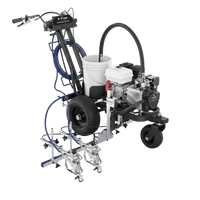
















Uneven spray patterns can mess up a project fast. One moment you're laying down paint smoothly, and the next you’re dealing with drips, stripes, or patchy coverage. For pros working with high-performance equipment like a Graco airless paint sprayer, a consistent spray isn’t just about a clean-looking finish. It’s also about saving time, reducing waste, and keeping jobs on schedule.
Even with top-tier tools, issues can still show up. Wear and tear, dried-up paint buildup, or something as simple as the wrong pressure setting can throw off your sprayer. The good news is that most uneven spray patterns are fixable. And better yet, many are avoidable in the first place. Knowing what to look for and how to respond helps keep your results consistent and professional.
Common Causes of Uneven Spray Patterns
Any time your Graco airless paint sprayer starts spraying unevenly, it's usually due to one of several issues. Catching these problems early can save time and prevent material waste.
1. Clogged or partially blocked spray tips
The most common reason for uneven spray patterns is a clogged tip. Paint can dry and harden inside the spray tip when the sprayer isn’t cleaned properly. A blocked tip can cause spray that’s spotty, streaked, or completely off-center.
2. Incorrect pressure settings
Pressure that’s too low means paint won’t atomize correctly, leading to heavy, wet spots that drip or sag. When pressure is too high, the paint may mist or overspray, wasting material and possibly harming the surface.
3. Worn-out tips or seals
Parts break down the more they’re used. A tip that’s seen too many jobs can lose its shape, and bad seals can cause leaks. These subtle changes affect the way paint sprays and reduce your control.
4. Using the wrong tip size for the coating
Every paint or coating has a certain viscosity. If your tip doesn’t match the material, spray patterns become tight, uneven, or may clog entirely. Thick coatings need larger or properly designed tips to maintain pattern width and consistency.
5. Dirty or damaged filters
Filters stop debris from flowing through the hose and tip. When clogged, they create pressure drops or poor flow, leading to unpredictable patterns. Damaged filters can cause similar issues.
Every one of these issues interferes with consistency. Understanding how each affects spray performance helps you troubleshoot faster when something goes wrong.
Steps to Diagnose Uneven Spray Patterns
Before reaching for replacement parts or cleaning tools, take a step back and figure out what’s causing the issue. Some fixes are quick once you identify the real problem.
1. Test your spray pattern on cardboard or paper
Spray at regular speed and distance to see the pattern. Watch for gaps, uneven coverage, fuzzy edges, or thin spots. This gives you a visual starting point.
2. Inspect the spray tip
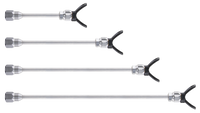
Hold the tip under good lighting. Check for dried paint, damage, or signs of rounding. A clean, sharp tip is key to a proper fan pattern.
3. Check filter screens
Pull and inspect from both the gun and the pump, if accessible. If they show buildup or paint chunks, clean or replace them. Dirty filters are often a hidden cause of poor performance.
4. Adjust pressure in small steps
As you spray onto your test surface, tweak the pressure gently. A smoother fan or better atomization signals that pressure was a factor.
5. Look for material buildup
Disconnect the hose and peek inside the system. Old paint or coating residue can build up over time. Even with regular flushing, thick spots can collect and block flow.
6. Review your material and spray tip match
Make sure your tip is the right size for the paint you’re using. If your material is too thick for the tip size, poor spray patterns and blockages will happen more often.
Go through each of these points methodically. Often, it’s not just one issue but a few small ones piling up to cause problems.
Solutions to Fixing Uneven Spray Patterns
Once you’ve pinpointed what’s wrong, it’s time to apply the fix. Most solutions don’t take long and use basic tools or spare parts. These small actions bring big improvements to your finish.
1. Clean the spray tip
Flush the sprayer with cleaning solution and rinse the tip. Follow the manufacturer's instructions to ensure full removal of any blockages. If the pattern’s still off after cleaning, the tip may need replacing.
2. Adjust the pressure
Dial the knob slightly in either direction until the spray looks even. Use the lowest pressure that gives you a full fan without spitting or overspray. This saves both materials and time while keeping quality high.
3. Replace any worn parts
If tips, seals, or gaskets look damaged or old, switch them out. Keeping a stock of common replacement parts can keep things moving when something shows wear.
4. Upgrade your spray tip if needed
Different coatings require different tips. Using a tip too small for thick material causes sputtering and clogs. Make sure your tip is compatible with what you're spraying.
5. Clean or replace filters
A backed-up filter creates pressure issues and uneven spray. Always clean filters at the end of the day and swap in new ones when needed. Keeping them clean improves flow and performance.
When your sprayer system is clean and every part is in working shape, spraying feels smoother and faster. One commercial painter reported that a 20 PSI adjustment and a new filter made the difference between having to go over missed spots and hitting everything cleanly on the first pass.
How Maintenance Makes a Difference
Even the best sprayers slow down when maintenance is ignored. With a Graco airless paint sprayer, regular care keeps you moving at full speed. Small problems become major fast if you don't take time between jobs to clean and check your equipment.
A strong maintenance routine includes:
1. Flushing the sprayer after every use
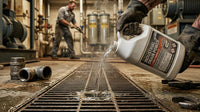
Never leave paint to dry inside the system. Flush it completely until only clear fluid comes out. Doing this right after each project keeps your equipment primed for the next one.
2. Cleaning the filters weekly
Clean filters help your sprayer run with steady pressure. If you’re on multiple jobs during the week, a quick filter check can prevent pattern issues before they start.
3. Inspecting hoses and fittings
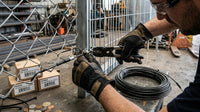
Check for cracks, soft spots, or leaks. Even pinhole-sized leaks can lead to weaker spray and wasted material.
4. Storing the sprayer in proper conditions
Avoid moisture, dust, or extreme temperatures. Storing your gear in a clean, dry place helps keep parts in working shape longer.
Building these habits into your workflow does more than protect your gear. It prevents slowdowns and rework, keeping projects on time and teams productive.
Keep Your Sprayer Operating at Peak Performance
Uneven spray patterns are more than a simple annoyance on the job. They cost you time, product, and results. The good news is, most issues are easy to spot and even easier to fix once you know where to look.
Understanding the causes behind clogged tips, bad pressure settings, and worn-out filters puts you in control. Make diagnosing problems part of your prep. Keep cleaning, pressure tuning, and filter checks routine. That way, you’ll spend less time fixing mistakes and more time spraying clean passes that get the job done right.
Graco airless paint sprayers are built for performance, but only when they’re taken care of. With the right steps and a little attention, your sprayer can stay ready for whatever the next project demands.
To keep your painting workflow consistent and frustration-free, it helps to use tools that won't cut corners when precision counts. A reliable Graco airless paint sprayer can make all the difference in achieving smooth, even coverage day after day. Count on Integrity Supply to help you stay ready for whatever the job throws your way.