




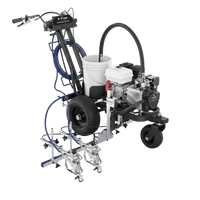









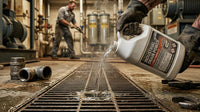


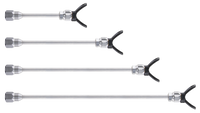







A good airless paint sprayer can help professional contractors cover large surfaces faster than a brush or roller. The wrong one can create clogs, uneven coverage, excess overspray, and costly delays. Finding the best airless paint sprayer for professional painting starts with understanding your work. Do you mainly repaint occupied homes, coat new construction, spray fences, apply block filler, or handle commercial maintenance projects? Each application may call for a different pump size, tip, hose length, and pressure setting. This guide explains the features that matter most and shows how to pair your sprayer with the supplies needed for a safer, smoother job.
Key Takeaways
- Choose equipment for your workload: Compare job size, coating type, tip range, flow rate, power source, and expected frequency of use before selecting an airless sprayer.
- Build a compatible setup: Pair the sprayer with the correct hose, gun, tips, filters, coatings, replacement parts, and personal protective equipment for dependable application.
- Maintain the sprayer after every job: Relieve pressure safely, flush the system, inspect wear parts, store the pump correctly, and keep common replacements ready to reduce delays.
Get Professional Airless Sprayer Support From Integrity Supply
Choosing an airless paint sprayer is only one part of preparing for a professional painting job. You also need the right spray tip, hose, filter, coating, protective equipment, and replacement parts. Using mismatched components can lead to uneven coverage, frequent clogs, excess overspray, or unnecessary wear on the pump.
Integrity Supply helps contractors compare the equipment and supplies needed for the complete job. Its catalog includes airless sprayers and accessories from established manufacturers, along with painting tools, coatings, hardware, and safety products. You can browse airless paint sprayers and then look for the accessories that fit your application.
Whether you are repainting occupied homes, spraying new construction, applying block filler, or handling maintenance work, match the equipment to the material and workload. A contractor working on large exteriors may need a high-output cart sprayer, longer hose, and spare filters. Smaller interior projects may call for a compact electric model that is easier to transport and store.
Compare Sprayers, Tips, Hoses, Filters, Coatings, and Safety Gear
A sprayer’s performance depends on more than its motor or maximum pressure. The spray tip controls the fan pattern and material output, while the hose affects reach and handling. Filters help reduce debris and clogs, but they must suit the coating and tip you plan to use.
Start by identifying the material and surface. Latex paint, primer, elastomeric coatings, stains, and specialty products may require different tip sizes, pressure settings, and filtration. Check the coating label and sprayer manufacturer’s recommendations before selecting components.
Keep commonly replaced parts on hand, including a spare tip, gun filter, inlet screen, and properly rated hose. Add masking supplies, gloves, eye protection, respirators, and other safety products before the job begins. Integrity Supply’s airless sprayer selection gives professionals a place to compare equipment for different applications.
Shop 70,000 Products From 300 Manufacturers
Integrity Supply offers more than 70,000 products from 300 manufacturers. This broad selection helps professional painters, contractors, maintenance teams, and construction workers source supplies for different jobs through one company. Products include sprayers, brushes, rollers, primers, caulk, patching compounds, coatings, hardware, and safety equipment.
A large catalog can also help when job requirements change. You may need a different tip for a thicker coating, a longer hose for exterior work, or a repair part for a sprayer your crew already uses. Replacing one compatible component may be more practical than purchasing an entirely new machine.
When comparing products in the Integrity Supply catalog, review manufacturer specifications, material compatibility, voltage or fuel requirements, and expected workload. For larger orders, organize your list by equipment, coating and surface preparation, protection, and personal protective equipment. This makes it easier to spot missing items before the crew arrives at the jobsite.
Order Nationwide or Get Cleveland-Area Staff Support
Integrity Supply serves customers throughout the United States, giving contractors a way to order painting and construction supplies for jobs in different locations. Nationwide ordering can help companies replenish frequently used products, outfit multiple crews, or send supplies directly to a project site.
Customers near Cleveland, Ohio, can also receive assistance from Integrity Supply staff in person. Support can be useful when you are comparing pump capacity, tip requirements, hose length, filters, coatings, or replacement parts. Bring the sprayer model, coating information, surface type, and job size so the staff can better understand your application.
Integrity Supply has served customers since 2000 and connects buyers with products from a broad network of manufacturers. You can learn more about Integrity Supply before placing an order or contacting the team with equipment questions. Before checkout, confirm delivery timing and verify that each accessory is compatible with your sprayer and coating.
Which Airless Paint Sprayer Works Best for Professional Painting?
The best airless paint sprayer depends on the size of the job, the coating you are applying, how often you spray, and the power available at the site. A contractor repainting occupied homes may value portability and pressure control, while a crew coating new construction may need higher output, larger tip capacity, and a pump designed for long workdays.
An airless sprayer forces coating through a small spray tip at high pressure, creating a fan-shaped pattern without compressed air. This makes it useful for walls, ceilings, siding, fences, and other large surfaces. It can cover broad areas faster than a brush or roller, but the equipment must match the material. A sprayer designed for interior latex paint may not be suitable for elastomeric coatings, block filler, or texture.
Start by checking the manufacturer’s specifications for maximum tip size, flow rate, pressure range, and recommended coatings. Graco’s professional paint sprayer guide offers a helpful reference when comparing pump capacity and equipment types. Also consider cleanup, replacement parts, hose length, and service support. These details affect daily productivity and long-term ownership costs.
Top Airless Paint Sprayers for Professionals
Professional painters have several strong options, but no single machine fits every crew. A compact electric sprayer can work well for room repaints and smaller residential projects. A cart-mounted unit may be a better choice for multiple rooms, exterior siding, or jobs where the pump remains in one location while the crew moves through the building.
The models below represent common choices for different workloads. Use them as a starting point, then compare each sprayer’s current specifications with the coatings and tips you use most often. Manufacturer ratings can vary by model and package, so confirm the details before ordering.
Also check what comes with the sprayer. Some packages include a gun, hose, and spray tip, while others require separate purchases. Contractors may need several tip sizes, extra filters, a tip guard, a longer hose, and storage fluid.
Best for Frequent Contractor Use: Graco Ultra Max II 595 PC Pro
The Graco Ultra Max II 595 PC Pro is designed for contractors who spray regularly and need a dependable electric unit for residential and commercial work. Its higher-capacity pump supports larger areas and a broader range of architectural coatings than many entry-level machines. The cart design also makes it easier to move around a jobsite than a stationary stand model.
This sprayer suits frequent repaints, new construction, rental turnovers, and maintenance work. It can support larger tips for thicker materials, although the correct tip depends on the coating label and finish requirements. Review the manufacturer’s Ultra Max II product information before choosing a package.
It may be more equipment than an occasional painter needs. For contractors, the pump capacity, cart format, and access to replacement components can support a higher purchase price.
Best Compact Contractor Sprayer: Titan Impact 440
The Titan Impact 440 is a compact electric airless sprayer for small and medium-sized contractor jobs. Its size makes it easier to transport, set up, and store than larger production machines. That can be useful for painters moving between occupied homes, apartments, offices, and repair projects throughout the week.
The Impact 440 can handle many architectural coatings, including primers and latex paints, when paired with the correct tip and pressure setting. It fits interior repaints, doors, trim preparation, and moderate exterior work. Consider hose length and extension cord requirements when planning the setup.
Use the sprayer within its published capacity rather than treating a compact machine as a replacement for a larger production unit. Titan’s Impact 440 product page lists specifications and equipment details. Compare its maximum tip size with the coatings in your regular workload.
Best for Large Residential Repaints: Graco Magnum X7
The Graco Magnum X7 is a cart-mounted electric sprayer suited to larger residential projects. Its wheels, hose capacity, and straightforward controls make it useful for multiple rooms, ceilings, garages, fences, and exterior surfaces. The cart keeps the pump stable while the operator works farther away with the spray gun.
For homeowners and contractors, the X7 offers more capacity than many handheld or small stand sprayers without requiring a commercial high-output machine. It works especially well when a project involves repeated setup and broad areas. A longer hose can reduce pump movement, but it also requires careful flushing and inspection.
The X7 is not automatically suitable for thick specialty coatings or continuous production work. Check the material label and Magnum X7 specifications before spraying primers, elastomerics, or textured products. Heavy commercial workloads may call for a more serviceable contractor pump.
Best Budget Sprayer for Small or Occasional Jobs: Graco Magnum X5
The Graco Magnum X5 is a practical option for small contractors, property managers, maintenance teams, and customers who spray occasionally. It offers more capacity than many handheld units, while its compact format keeps storage and transport manageable. It can work well for single rooms, small rental turnovers, fences, and selected exterior surfaces.
Its lower price does not remove the need for proper preparation. Strain the coating, select the correct tip, test the spray pattern, and clean the pump as soon as the job ends. Poor cleaning can cause clogs and equipment damage, even when the sprayer is used infrequently.
The X5 is best suited to lighter workloads rather than all-day production with heavy materials. Review Graco’s Magnum X5 information for current specifications and package contents. Budget for extra tips, filters, and a suitable hose.
Best for High-Output Work: Titan Impact 540 or 640
The Titan Impact 540 and 640 are designed for contractors who need more output for larger residential, commercial, and maintenance projects. Their higher-capacity designs can support bigger tips and heavier workloads than compact units, helping crews cover broad surfaces with fewer interruptions.
These models are worth considering for exterior repaints, new construction, warehouses, schools, and other projects where production time matters. The right choice depends on the coating, tip size, hose length, and daily volume. A larger pump is not always better for fine finishes or small repairs, where excess output can create more overspray and waste.
Compare the manufacturer’s specifications before making a purchase. Titan’s Impact series information can help you review capacity, applications, and equipment options. Also confirm that the electrical supply, extension cords, and jobsite layout can support the selected unit.
Best for Light-Duty Jobs: Wagner Control Pro 170
The Wagner Control Pro 170 is a compact electric sprayer intended for lighter-duty projects. Its high-efficiency airless design can be useful for small exterior jobs, fences, sheds, furniture, and limited interior work. It may suit a maintenance team or occasional painter who wants faster coverage than a brush and roller can provide.
This type of sprayer is not a substitute for a heavy-duty contractor machine. It is a better match for lower daily usage, smaller areas, and coatings within its published range. Test the coating on scrap material first, since the spray pattern and finish can change with temperature, viscosity, tip size, and pressure.
Wagner lists the Control Pro 170’s applications and specifications on its product information page. Check those details before using primers or thicker coatings. Contractors handling full-house repaints each week may need a cart-mounted sprayer with greater pump capacity.
Best for Remote Sites and Thick Coatings: Gas-Powered Sprayers
Gas-powered airless sprayers are useful when a jobsite lacks reliable electrical service or when a crew needs high production from a portable unit. They can support exterior work, large structures, agricultural buildings, roads, and other remote projects. Since they do not depend on an electrical outlet, they offer flexibility far from a building.
These machines require additional safety planning. Gas engines produce exhaust, so they must be operated outdoors or in areas with adequate ventilation, away from doors, windows, and air intakes. Never use a gas-powered sprayer in an enclosed space. Fuel storage, hot engine components, grounding, and fire prevention also need attention.
Gas-powered units can handle demanding coatings, but the pump, tip, and hose must still be rated for the material. Review Graco’s gas-powered sprayer options and the coating manufacturer’s instructions before starting. For indoor work, select an electric or battery-powered model designed for the application.
Wagner Flexio 590: An HVLP, Not an Airless Sprayer
The Wagner Flexio 590 is an HVLP sprayer, not an airless paint sprayer. HVLP stands for high volume, low pressure. It uses a stream of air to atomize the coating, while an airless sprayer uses hydraulic pressure without compressed air. This difference affects output, overspray, finish, cleanup, and the types of jobs each system handles well.
The Flexio 590 can be useful for smaller projects such as furniture, cabinets, doors, and decorative work. It may offer control for selected thin or properly prepared coatings, but it generally does not provide the production rate expected for large walls, exterior siding, or daily commercial painting.
If you are comparing it with an airless machine, focus on the job rather than the brand name. Wagner’s Flexio 590 specifications explain its intended use and included accessories. For professional repainting, an airless unit is usually more practical when speed and broad coverage are priorities.
Compare Flow Rate, Tip Size, Pressure, and Price
Flow rate indicates how much coating the pump can deliver over a set period. A higher flow rate can support faster coverage, but it does not guarantee a better finish. The coating, spray tip, pressure setting, and operator technique all affect the result. Choose enough capacity for your workload without paying for equipment your materials and jobs do not require.
Tip size controls how much material leaves the gun and how wide the spray fan can be. Thin stains may need a smaller tip, while primers and heavier coatings often require a larger opening. Follow the coating manufacturer’s recommended range, then select a sprayer that can support that size without operating at its limit.
Pressure matters because too little can create tails and an uneven pattern, while too much can increase overspray and waste. Price should include tips, filters, hoses, storage fluid, repairs, and cleaning supplies. Integrity Supply can help professional painters compare sprayers with compatible tips, hoses, filters, and safety equipment.
How Can Professionals Match Sprayers to Jobs?
The best airless paint sprayer depends on the project, coating, power source, and expected workload. A compact unit may be ideal for a single room or punch-list repair, while a cart-mounted sprayer can save time on large exteriors, apartment turnovers, and full-property repaints.
Start by estimating the surface area and the amount of material you expect to apply. Then check the sprayer’s flow rate, maximum tip size, pressure range, hose capacity, and duty rating. These specifications help determine whether the pump can maintain a consistent pattern throughout the job.
The coating matters just as much as the project size. Latex paint, acrylic coatings, primers, elastomerics, stains, sealers, enamels, and texture products may require different tips and pressure settings. Always read the product’s technical data sheet and compare its requirements with the equipment manufacturer’s recommendations. Graco’s professional airless sprayer guide offers general guidance for matching sprayers to job size, material, and output needs.
Small Touch-Ups and Single Rooms: Use Handheld or Compact Airless Sprayers
Handheld and compact airless sprayers are practical for touch-ups, accent walls, doors, cabinets, and single-room projects. They are easy to carry, quick to set up, and simpler to clean when a larger cart-mounted unit would be unnecessary.
Battery-powered models can help with punch-list work and locations where extension cords are inconvenient. Select a tip that matches the coating, and keep spare filters on hand in case the material restricts flow. Compact equipment is not designed for continuous, high-volume production, so follow the manufacturer’s operating and cleaning instructions. Graco recommends handheld and battery models for small jobs, touch-ups, and tight spaces.
Residential Repaints and Remodeling: Choose Mid-Range Electric Sprayers
A mid-range electric airless sprayer is a practical choice for residential repainting, remodeling, rental turnovers, and several rooms completed in one visit. These models typically provide more capacity than handheld units while remaining manageable for a solo contractor or small crew.
Look for a model that supports your most-used coatings, accepts the required tip range, and includes enough hose to limit equipment movement. A stand-style sprayer may work well indoors, while a compact cart can be easier to move through larger homes. Consider stairs, occupied rooms, and unfinished areas before choosing a design. Graco lists small electric models as an option for residential repainting and remodeling.
Large Exteriors and Multiple Rooms: Use Cart-Mounted High-Output Sprayers
Large exteriors, multi-room repaints, apartment turnovers, and new construction projects require equipment that can support longer work periods. Cart-mounted electric sprayers offer a stable base, larger intake systems, and easier movement across a jobsite.
A higher-output pump can apply paint more efficiently to siding, walls, ceilings, fences, garages, and other broad surfaces. Before choosing a model, compare its gallons-per-minute rating, maximum tip size, maximum hose length, and recommended daily use. A longer hose may allow the sprayer to remain outside while the operator works indoors, but the pump must maintain pressure across that distance. Graco recommends larger electric sprayers for higher flow needs and varied coatings.
Daily Production Work: Choose Heavy-Duty Pumps With Serviceable Parts
Contractors who spray most days should prioritize a durable pump, serviceable components, and dependable replacement-part access. A lower purchase price may not provide good value if the sprayer causes delays or requires frequent replacement.
Review the pump’s duty rating, maximum working pressure, supported tip range, and approved materials. Replaceable packings, valves, seals, filters, and other wear parts make routine maintenance easier. A design that provides quick access to these components can reduce downtime between jobs.
Daily use also makes cleaning essential. Flush the unit after every coating change, inspect the gun and hose regularly, and replace worn tips before they affect the spray pattern. Review the manufacturer’s service and support information before selecting equipment for regular production work.
Remote Jobs Without Reliable Power: Use Gas-Powered Sprayers
Gas-powered sprayers suit remote exteriors, large commercial sites, new construction, and other locations without dependable electrical service. They can provide high output without relying on an extension cord or portable generator.
This setup can work well for barns, warehouses, bridges, fences, agricultural buildings, and other outdoor structures. Gas models are also useful when the job involves thick coatings or a spread-out work area. They are usually louder and require more fuel planning than electric equipment.
Operate gas-powered equipment outdoors or in a properly ventilated area. Keep fuel away from ignition sources, follow the manufacturer’s fueling instructions, and never run a gasoline engine in an enclosed space. Graco recommends gas sprayers when portability, high output, or thick coatings are priorities.
Latex, Acrylic, and Interior Paint: Choose General-Purpose Airless Models
General-purpose airless sprayers work well with many latex and acrylic paints used on interior walls, ceilings, siding, doors, and other architectural surfaces. For many painting contractors, this broad compatibility makes a general-purpose model a sensible starting point.
Choose a unit that supports the paint’s recommended tip size and can maintain consistent pressure without excessive pulsing. Strain older paint or material that has been stored for a long period. Adjust pressure only high enough to produce a full, even fan with limited overspray.
The product label should guide the final setup. Some acrylic and latex coatings require larger tips, thinning, or back-rolling. Check the technical data sheet, material compatibility, warranty terms, and service options before putting a general-purpose sprayer into regular use.
Primers, Elastomerics, and Block Fillers: Use High-Flow Pumps and Larger Tips
Primers, elastomeric coatings, block fillers, and other heavy materials often require more flow than standard wall paint. A high-flow pump with a larger compatible tip can help apply these products without placing unnecessary strain on the equipment.
Compare the coating’s recommended tip range with the sprayer’s maximum tip size before starting. If the coating requires a larger tip than the pump can support, use different equipment rather than forcing the material through a restricted opening. Straining the coating and using the correct suction tube can also reduce clogs.
Elastomerics and block fillers may require slower passes or back-rolling to reach the specified film thickness. Avoid increasing pressure simply to raise output, since excessive pressure can create overspray and uneven coverage. Graco points contractors toward larger electric models for higher flow needs and varied coatings.
Stains, Sealers, and Thin Coatings: Use Smaller Tips and Lower Pressure
Stains, sealers, lacquers, and other thin coatings generally need smaller tips and controlled pressure. These settings help limit excess material and make it easier to apply an even coat to wood, metal, siding, cabinets, and similar surfaces.
Start with the product’s recommended tip size, then test the pattern on scrap material. Set the pressure as low as possible while producing a complete fan. Excessive pressure can create mist, uneven coverage, and material waste.
Thin coatings can reveal surface flaws quickly, so preparation remains important. Clean and sand the surface as required, protect nearby areas, and keep the gun moving at a consistent speed. A fine-finish tip may help when the product and sprayer support it, but the coating instructions should determine the final setup.
Enamels and Fine Finishes: Use Fine-Finish Tips and Controlled Pressure
Enamels, cabinet coatings, trim paints, and similar products require careful control. A fine-finish tip can produce a softer, more uniform pattern when paired with the correct pressure and coating viscosity.
Begin with the smallest tip recommended for the material. Test the fan before spraying the finished surface, and increase pressure gradually if the pattern shows tails or incomplete atomization. Excessive pressure can produce overspray, dry spray, and rough texture.
Surface preparation also affects the final result. Remove dust, repair imperfections, and use compatible primer when needed. Keep the gun perpendicular to the surface, maintain a consistent distance, and overlap each pass according to the coating instructions. Graco recommends fine-finish tips and controlled pressure for enamels and fine finishes.
Oil-Based Coatings: Check Solvent Compatibility and Ventilation Needs
Oil-based coatings require careful equipment and jobsite planning. Confirm that the sprayer, hose, gun, seals, filters, and other wetted parts are compatible with the solvent used for cleanup. Incompatible components may swell, soften, or wear out early.
Read the product label and safety data sheet before setup. Solvent-based coatings can release strong vapors and may be flammable, so provide suitable ventilation and keep the area away from flames, sparks, heaters, and other ignition sources. Wear the respiratory, eye, and skin protection specified for the product.
Plan cleanup before spraying begins. Use only the approved solvent, collect waste properly, and do not leave oil-based material sitting in the pump. Ventilation guidance for oil-based paint is especially important when working indoors or in partially enclosed areas.
Texture and Specialty Coatings: Confirm Material and Tip Ratings
Texture coatings, waterproofing products, fireproofing materials, corrosion-control coatings, and other specialty products can place significant demands on a sprayer. Confirm the material’s approved application method, tip range, pressure requirements, and maximum aggregate size before loading the pump.
A standard paint sprayer may not be suitable for heavy texture or high-build products. These materials may require a larger tip, higher flow rate, specialized gun, or pump designed for abrasive and viscous coatings. Undersized equipment can cause clogs, poor coverage, and accelerated wear.
Check whether the sprayer, hose, fittings, filters, and gun are rated for the coating. Flush the equipment promptly after use because specialty materials may harden inside the system. Graco recommends gas-hydraulic or King models for large-scale protective, waterproofing, fireproofing, and corrosion-control work.
Which Airless Sprayer Features Matter Most?
The best airless paint sprayer for professional work is not always the most powerful model. Your ideal choice depends on the coatings you apply, the size of your jobs, how often you spray, and the conditions at each jobsite. A sprayer that handles interior latex paint well may not have enough capacity for elastomeric coatings, block filler, or heavy primers.
Start by comparing the manufacturer’s specifications for flow rate, maximum pressure, supported tip sizes, and recommended materials. These details help you determine whether a sprayer can provide the coverage and finish your work requires. Graco’s contractor sprayer range shows how pump capacity and intended use vary across models.
Also consider the equipment around the pump. The gun, tip, hose, filters, and replacement parts all affect performance. A well-matched setup can produce more consistent results and make long jobs easier to manage. Use the following features to compare models before ordering your next sprayer from Integrity Supply.
Match Flow Rate, Pressure, and Horsepower to the Material
Flow rate describes how much coating a sprayer can deliver, usually in gallons per minute. A higher flow rate can help cover large surfaces faster, but it does not automatically make a sprayer suitable for every job. The pump must also provide enough pressure to atomize the material evenly through the selected tip.
Horsepower offers another indication of pump capacity, but it should not be the only specification you review. Thin stains and sealers may work well with a smaller pump, while primers, elastomerics, and block fillers often need more capacity. Check the coating label and the sprayer’s material recommendations before starting work.
A machine that is too small may struggle to maintain pressure, while an oversized unit can add unnecessary cost and weight. Match the sprayer to the materials you use most often and the volume you typically apply.
Control Coverage With Tip Size and Fan Width
The spray tip controls the amount of material released and the width of the spray pattern. A tip marked 515, for example, generally produces a 10-inch fan when held at the proper distance, with a 0.015-inch orifice. The first digit relates to the approximate fan width, while the last two digits indicate the orifice size.
Larger tips apply more material and can cover broad surfaces efficiently. Smaller tips provide better control for trim, doors, cabinets, and thinner coatings. Tip sizing varies by product and manufacturer, so use the coating maker’s recommendation as your starting point.
Keep the surface, material, and pump capacity in mind when selecting a tip. Graco’s spray tip selection guide can help you compare common tip options and application needs.
Confirm the Pump’s Maximum Tip Size
Every airless pump has a maximum supported tip size. This rating helps you understand which materials and application rates the machine can handle. A compact sprayer may support a smaller tip suited to interior paint and stains, while a larger contractor unit can run wider tips for primers, masonry coatings, or high-build products.
Do not assume that a high pressure rating means the pump can use any tip. A tip that is too large may cause pressure loss, poor atomization, or excessive strain on the pump. Always compare the machine’s maximum tip size with the recommendations for your coating.
If you regularly spray thick materials, choose a pump with enough capacity for the work. Using a smaller sprayer beyond its intended limits can slow production and increase wear on the equipment.
Choose Reversible, Fine-Finish, or High-Flow Spray Tips
Reversible tips are useful on active jobsites because they let you clear many clogs without removing the tip from the guard. You typically turn the tip to the unclog position, trigger the gun briefly, and return it to the spray position after the obstruction clears. Follow the equipment manufacturer’s instructions and relieve pressure whenever required.
Fine-finish tips can improve control on doors, cabinets, trim, and other detailed surfaces. High-flow tips are better suited to broad surfaces and heavier coatings when the pump has enough capacity. Keep several sizes available so you can adjust to different products instead of using one tip for every application.
Replace worn tips promptly. As the orifice wears, the spray pattern can become wider and less consistent, which may increase material use and create uneven coverage. Graco’s RAC spray tip information provides additional guidance on reversible tip options.
Control Overspray With Adjustable Pressure
Adjustable pressure gives you more control over the spray pattern and the amount of material reaching the surface. Begin with a low setting and increase it gradually until the pattern looks even. Using the lowest effective pressure can reduce overspray, conserve coating, and help produce a cleaner finish.
Pressure cannot correct every application problem. An unsuitable tip, improperly prepared coating, or inconsistent gun movement can still create poor results. Keep the gun perpendicular to the surface, maintain a consistent distance, and overlap each pass evenly.
Mask nearby surfaces before spraying, especially around windows, fixtures, vehicles, and finished floors. When working outdoors, consider wind direction and nearby property. For coatings that contain volatile ingredients, review the product label and EPA guidance on volatile organic compounds.
Match Pump Design and Duty Cycle to Daily Use
A sprayer’s duty cycle describes the amount of work it can handle over time. Occasional users may need a compact electric model, while professional painters who spray several days each week usually benefit from a pump designed for regular production. Using a small machine continuously can lead to slower work, increased maintenance, and premature wear.
Look for durable components, serviceable packings, accessible filters, and a design that matches your workload. A contractor-grade unit may cost more initially, but it can make financial sense when downtime affects schedules and labor costs.
Consider the size of your typical jobs, the number of gallons you spray each week, and the types of coatings you use. If several painters share the equipment, select a model built for repeated daily operation rather than occasional use.
Choose Electric, Battery, or Gas Power for the Jobsite
Electric airless sprayers are practical for homes, commercial interiors, and jobsites with dependable power. They generally produce less noise and exhaust than gas-powered equipment, making them useful in occupied buildings when the coating and ventilation requirements are appropriate.
Battery-powered models can simplify setup in smaller areas or locations where cords are inconvenient. Check battery run time, charging requirements, and the availability of replacement batteries before relying on one for a full workday.
Gas-powered sprayers provide independence from electrical outlets and can suit large exteriors or remote construction sites. Because they produce exhaust and require fuel, use them only in locations approved by the manufacturer. Review OSHA’s powered equipment requirements before using powered equipment on a construction site.
Balance Portability and Stability With the Right Design
Airless sprayers come in handheld, stand, cart, and wall-mounted configurations. Handheld units are easy to carry for small rooms and touch-ups, but their smaller capacity may not suit long production runs. Stand models offer a compact setup that works well when equipment moves between rooms.
Cart-mounted sprayers provide larger containers, improved stability, and easier transport across a jobsite. They can also accommodate longer hoses for exterior work. A wall-mounted configuration may save floor space in a shop or dedicated work area.
Before choosing a design, consider stairs, uneven ground, vehicle storage, and how often you move the equipment. Large wheels and a balanced frame can make a noticeable difference for contractors working across multiple surfaces. A portable model should still remain stable while the pump is running.
Reduce Fatigue With the Right Hose, Gun, and Controls
The spray gun should feel balanced in your hand, with controls that are easy to reach while wearing work gloves. A flexible hose can make it easier to move around rooms, ladders, and exterior walls without constantly repositioning the pump. Use a hose rated for airless spraying and sized for the material and equipment.
During application, hold the gun at a consistent distance, commonly about 12 inches from the surface unless the manufacturer or coating label specifies otherwise. Keep your wrist straight and move your entire arm rather than swinging the gun in an arc.
A swivel connection can reduce hose twisting, while a comfortable trigger can help during extended work. Small ergonomic details matter when you spray ceilings, walls, siding, or multiple rooms. A properly sized hose also helps maintain material flow without adding unnecessary weight.
Prevent Clogs With Effective Intake and Filter Systems
Clean material and clean filters are central to reliable spraying. Strain coatings before adding them to the container, especially when using older paint, textured products, or material that has been stored for some time. The inlet screen helps keep larger debris from reaching the pump, while gun and manifold filters catch smaller particles.
Clean filters according to the equipment instructions and inspect them for damage. A blocked filter can reduce pressure and create an uneven pattern, while a damaged filter may allow debris to reach the tip. Keep spare filters available for busy jobs so a clogged component does not stop production.
If a clog develops, do not place your hand or fingers in front of the tip. Follow the manufacturer’s pressure-relief and unclogging procedure before removing any part. The Graco airless sprayer safety instructions explain why pressure must be relieved before service or cleaning.
Confirm Noise, Voltage, and Extension Cord Requirements
Review the sprayer’s voltage and amperage requirements before bringing it to a jobsite. An undersized extension cord can cause voltage drop, poor performance, or overheating. Use the cord type and length recommended by the manufacturer, and keep electrical connections away from water and wet surfaces.
Noise can also affect where and when you work. A quieter electric model may be more suitable for occupied homes, offices, schools, or other areas where people remain nearby. Gas-powered units create additional noise and exhaust concerns, so confirm that the location permits their use.
Inspect plugs, cords, hose connections, and fittings before each job. Do not use damaged electrical equipment. OSHA’s electrical safety guidance offers general workplace recommendations for electrical equipment and safe work practices.
Check Parts, Repairs, Warranty, and Technical Support
A sprayer is a working tool, so access to replacement parts matters as much as the initial purchase price. Before choosing a model, confirm that tips, filters, hoses, seals, packings, guards, and repair kits are available. Ask whether authorized technicians or service centers support the brand in your area.
Review the warranty terms, including coverage for the pump, motor, electronics, and normal wear parts. Keep your purchase records and follow the required maintenance schedule so warranty support remains available. Some parts may be considered routine wear items and receive different coverage.
Integrity Supply can help contractors compare compatible sprayers and accessories across a broad selection of manufacturers. When you are choosing between similar models, dependable parts access and practical service support may matter more than a small difference in listed pressure or price. A sprayer that can be maintained and repaired is more useful than one that becomes difficult to support after purchase.
How Do Graco, Titan, and Wagner Compare?
Graco, Titan, and Wagner all make airless paint sprayers, but their equipment serves different workloads. The best choice depends on how often you spray, which coatings you apply, how much material you need to cover, and how easily you can obtain replacement parts.
Graco offers one of the broadest selections, including homeowner models, mid-range units, and heavy-duty contractor sprayers. Its professional equipment is designed for repeated use, with options for residential repaints, commercial maintenance, and daily production work. You can compare specifications through Graco’s airless sprayers for contractors.
Titan also focuses heavily on contractors. Its Impact series includes compact electric sprayers for remodeling and residential work, along with higher-output machines for larger projects. Titan is worth considering when serviceability and regular maintenance are priorities.
Wagner generally suits lighter-duty applications, occasional users, and teams that want a straightforward airless system. Its Control Pro models use High Efficiency Airless, or HEA, technology to help reduce overspray. They may be a good fit for rooms, fences, sheds, and maintenance work, but they are not a direct substitute for heavy-duty production equipment.
Graco: Choose Broad Options for Frequent Contractor Use
Graco is a practical choice when you want several equipment levels within one product family. Its lineup includes compact electric sprayers, cart-mounted machines, and heavy-duty units for frequent contractor use.
Professional painters often choose Graco because tips, filters, hoses, and other replacement parts are widely available. That can reduce downtime when a component wears out during a busy project. A machine that is easy to service may provide more long-term value than a lower-priced model with limited parts support.
The Ultra Max II series is designed for demanding professional work, while the Magnum X5 and X7 are better suited to homeowners, property managers, and contractors handling occasional or moderate-sized jobs. Compare the flow rate, maximum tip size, recommended coatings, and duty cycle for each model before ordering.
Graco’s contractor equipment resources can help you review product specifications and application information.
Titan: Get Contractor-Focused Output and Serviceable Designs
Titan is a strong option for painters who need professional output and equipment that can be maintained over time. Its Impact series includes portable electric sprayers for smaller jobs and higher-output models for larger residential, commercial, and maintenance applications.
The Titan Impact 440 can suit remodeling, residential repaints, and smaller exterior projects. Contractors who need more flow or plan to use larger tips may prefer the Impact 540 or Impact 640. Always confirm that the pump supports the coating and tip size required for your work.
Serviceable equipment allows you to replace wear parts instead of replacing the entire sprayer. Packings, valves, filters, tips, and hoses may require attention when a machine is used regularly. Reviewing Titan’s professional sprayer lineup can help you compare output, portability, and maintenance features.
Wagner: Choose Accessible HEA Options for Lighter-Duty Jobs
Wagner is often a suitable choice for small projects, periodic use, and users who want a simpler entry point into airless spraying. Its Control Pro models use HEA technology, which is designed to produce a softer spray and help reduce overspray compared with some traditional airless systems.
The Wagner Control Pro 170 may work well for interior rooms, fences, sheds, furniture projects, and other lighter-duty applications. It can also suit maintenance teams that spray occasionally instead of using equipment throughout every workday.
Before choosing a Wagner sprayer, check the recommended coatings, maximum tip size, flow rate, and duty cycle. A lighter machine may not be appropriate for thick primers, elastomeric coatings, block fillers, or extended production runs. Wagner’s Control Pro 170 specifications provide useful details for comparison.
Compare Flow Rates, Tip Sizes, and Duty Ratings by Model
Compare similar models rather than comparing brand names alone. A compact Graco, Titan, or Wagner sprayer may be designed for a completely different workload than a cart-mounted contractor unit from the same manufacturer.
Flow rate, usually listed in gallons per minute, indicates how much material the pump can deliver. Higher flow rates can help with larger surfaces and faster production, but they may also require a larger motor, larger tip, and suitable electrical supply.
Next, check the recommended and maximum tip sizes. A sprayer that supports larger tips is generally better suited to thick coatings and high-volume work. The duty rating also matters. Some machines are intended for occasional projects, while others are built for repeated daily use. Do not select equipment by maximum pressure alone, since pressure does not determine whether a pump can handle every coating or workload.
Check Parts Availability and Regional Service Support
A sprayer is only useful when you can keep it operating. Before purchasing, check the availability of tips, filters, hoses, gun parts, packings, valves, seals, and other components for the exact model you are considering.
Do not assume accessories fit every sprayer from the same brand. Confirm part numbers and compatibility before ordering. Ask whether commonly replaced components are stocked locally or require special ordering. Quick access to a replacement filter or worn tip can prevent a full day of downtime.
Warranty coverage and technical support also deserve attention. Review the manufacturer’s service documentation, warranty terms, and repair process. Integrity Supply can help you compare compatible paint sprayer parts and accessories for professional and maintenance applications.
Judge Reliability by Workload, Coating, Maintenance, and Repairs
Reliability depends on the match between the sprayer and the job. A compact electric unit may perform well for occasional interior projects but wear quickly when used for daily commercial production. A heavy-duty pump may be a better fit for contractors who spray large surfaces every week.
Coating choice also affects pump life and spray quality. Thick primers, block fillers, elastomerics, and texture materials place more demand on the pump than stains and sealers. Use the tip and pressure range recommended for the material, and strain the coating before spraying.
Cleaning is equally important. Flush the system after every job, clean the gun and filters, inspect the tip for wear, and store the pump with the manufacturer-approved fluid. Replacing worn tips and filters early can protect the pump and maintain a consistent spray pattern. This airless sprayer comparison also considers parts access and serviceability when evaluating long-term value.
Match Brand Performance to Use Frequency and Budget
For daily professional work, Graco and Titan offer a wide selection of pump sizes, cart designs, and serviceable components. Choose between specific models by comparing flow rate, maximum tip size, portability, warranty coverage, and parts availability rather than relying on the brand name alone.
For occasional projects, the Graco Magnum X5 or X7 may provide a practical balance of cost and capability. The X5 is better suited to smaller jobs, while the X7 offers more capacity for larger rooms, exteriors, and repeated residential work.
Wagner can make sense when the purchase price, straightforward operation, and lower-volume use are the main priorities. Its HEA models may suit small contractors, property owners, and maintenance teams that do not need a heavy-duty production pump.
Remember to include accessories in your budget. A quality hose, spray gun, reversible tips, filters, protective equipment, and cleaning supplies all affect the final result. A higher equipment cost may be worthwhile if it reduces downtime and supports the workload you expect to handle.
Set Up and Use Airless Sprayers Safely
Airless sprayers apply coatings quickly, but their high pressure requires careful preparation and handling. Before connecting the hose or adding material, read the sprayer manual, coating label, and safety data sheet. Instructions can vary between latex paint, primers, elastomerics, solvent-based coatings, and specialty products.
Plan the setup before you start spraying. Inspect the equipment, prepare the work area, select the correct protective equipment, and make sure you have the right tip, filters, hose, and cleaning materials. Test the spray pattern on scrap material before coating the project surface. These steps help prevent clogs, uneven coverage, overspray damage, and injuries.
Follow the pressure relief procedure whenever you stop spraying, clear a blockage, change a tip, or remove any component. The Occupational Safety and Health Administration’s spray application guidance provides additional information about ventilation, protective equipment, and fire prevention for certain spray operations.
Strain and Condition the Coating Before Spraying
Strain every coating before it enters the sprayer, including material from a new container. Dried skin, pigment clumps, dust, and other debris can clog the tip or create an uneven finish. Use a paint strainer designed for the coating, then mix the material according to the product instructions.
Do not thin paint unless the manufacturer permits it. Adding water or solvent can affect coverage, drying, adhesion, or durability. Keep the container covered with clean plastic when you are not pouring material. This helps prevent debris from entering the coating while you work.
Check the material’s temperature and consistency before spraying. Cold or settled coating may not flow correctly, while over-thinned material can create runs and excess overspray. If the product requires conditioning, follow the label instead of relying on a general thinning ratio.
Choose the Right Tip, Filter, Pressure, and Hose
Choose a tip based on the coating and finish. Small tips generally suit stains and sealers, while primers, latex paints, elastomerics, and block fillers often need larger openings. Confirm that the tip size falls within the sprayer’s recommended range and matches the coating manufacturer’s instructions.
Select gun and manifold filters that support the material’s flow without creating unnecessary restriction. Use a hose rated for the sprayer’s operating pressure, and confirm that all fittings are compatible. Never replace an airless hose with a general-purpose hose.
Begin with the lowest pressure that creates a complete, even fan. Excess pressure increases overspray, wears tips faster, and can produce a rough finish. A reversible tip can help clear a minor blockage, but you must still follow the equipment’s pressure relief procedure before removing parts or servicing the gun.
Prime the Pump and Test the Pattern on Scrap Material
Prime the pump according to the manufacturer’s instructions before spraying the project surface. The system needs to draw coating consistently and release trapped air before you begin. Point the gun into a suitable waste container during priming, and follow the manual when switching from prime to spray mode.
Test the spray pattern on cardboard, scrap wood, or another appropriate surface. Hold the gun at the distance and angle you plan to use on the job. Look for heavy edges, gaps, spitting, or an irregular fan. Adjust the pressure, tip, or material preparation until the pattern is even.
Testing also confirms the coating’s color and sheen before it reaches the finished surface. If the sprayer pulses or the fan remains uneven, stop and inspect the tip, filters, intake, hose, and coating instead of continuing over the work.
Maintain Consistent Distance, Speed, and Overlap
Hold the gun about 12 inches from the surface unless the equipment or coating instructions specify another distance. Keep the gun square to the surface as you move. Angling the gun can place more material along one side of the fan and create uneven coverage.
Start moving before pulling the trigger, then release the trigger before stopping the stroke. This prevents extra material from collecting at the beginning or end of each pass. Move at a steady speed, and avoid lingering in one area to correct a thin spot.
Overlap each pass slightly so the fan blends with the previous stroke. Use a consistent pattern across the surface, and inspect the coating from several angles as you work. If the material sags, try moving faster or reducing the pressure rather than adding more coating.
Mask Nearby Surfaces and Control Overspray
Airless sprayers create fine droplets that can travel beyond the surface you are coating. Cover floors, furniture, vehicles, windows, light fixtures, and nearby equipment with drop cloths, plastic, masking paper, and painter’s tape. A hand masker can help prepare long edges and larger areas efficiently.
Close doors and seal gaps around the work zone. When spraying outdoors, protect siding, vehicles, landscaping, walkways, and neighboring property. Check wind conditions before starting, and stop if air movement can carry material toward people or surfaces you cannot protect.
Keep the gun moving and use the lowest pressure that produces a proper fan. These practices reduce overspray but do not eliminate it. Remove masking carefully after the coating has set enough to prevent smearing, while the tape can still separate cleanly from the edge.
Wear Respiratory, Eye, Skin, and Hearing Protection
Wear respiratory protection appropriate for the coating and work environment. Read the safety data sheet and use a properly fitted, approved respirator when the product instructions require one. The NIOSH respirator guidance explains the importance of selection, fit, inspection, and maintenance.
Safety glasses or goggles protect your eyes from spray, splashes, and particles. Wear chemical-resistant gloves and clothing that covers exposed skin. A hat or hood can help protect your head during overhead work. Hearing protection may also be appropriate near loud pumps, particularly during extended jobs.
A respirator does not replace ventilation or safe work practices. Replace filters and cartridges as directed, and leave the area if you experience dizziness, irritation, breathing difficulty, or other symptoms. Follow the coating label when selecting gloves and other protective equipment.
Prevent Injection Injuries With Proper Gun Handling
Airless sprayers can force paint through skin, even when the wound looks like a small puncture. Treat every injection injury as a medical emergency. Tell medical professionals that a high-pressure coating entered the skin, because damage can extend below the visible wound.
Never point the gun at yourself, another person, an animal, or any part of your body. Keep your finger off the trigger when you are not spraying, and engage the trigger lock whenever you set the gun down or move between areas. Keep the tip guard installed unless the manufacturer specifically directs you to remove it.
Do not use your hand, cloth, or glove to check for a leak or stop escaping material. If the gun, hose, or fitting leaks, stop the equipment and relieve pressure before inspecting it. Follow the manual and Graco’s pressure relief procedure before cleaning or servicing the sprayer.
Relieve Pressure Before Clearing Clogs or Removing Parts
A clogged tip can tempt you to keep pulling the trigger, but repeated spraying is unsafe. Release the trigger, engage the trigger lock, turn off the power, and follow the complete pressure relief procedure in the sprayer manual.
For a reversible tip, turn it to the cleaning position and spray into a suitable waste container only when the equipment instructions allow this method. Keep the gun pointed away from your body and anyone nearby. If the blockage remains, relieve pressure again before removing the tip, guard, filter, hose, or another component.
Never assume the system is safe because the motor has stopped. Pressure can remain trapped inside the hose and gun. Confirm that pressure has been released before servicing the equipment, and never use your fingers to clear debris from a tip opening.
Use Rated Hoses, Fittings, Filters, and Replacement Parts
Use hoses, fittings, guards, filters, tips, and replacement parts rated for your sprayer and coating. Inspect hoses before every job for cuts, bulges, worn covers, exposed reinforcement, or damaged fittings. Replace damaged components instead of wrapping them with tape or forcing a connection tighter.
Keep connections clean and secure, but do not force mismatched threads or adapters. A part may fit physically while having the wrong pressure rating or chemical compatibility. Use the part numbers listed in the sprayer manual whenever possible.
Graco and Titan offer broad parts support, but compatibility still varies by model. Keep common items such as tips, filters, seals, and hose gaskets available for routine work. Integrity Supply can help professional painters identify painting, maintenance, and replacement supplies for their equipment.
Ventilate Areas for Solvent-Based Coatings
Ventilation matters when spraying solvent-based coatings, primers, stains, and other products that release vapors. Open doors and windows where practical, and use fans to move air away from the work area. Do not direct contaminated air toward people, ignition sources, or neighboring buildings.
Read the coating’s safety data sheet before work begins. It identifies vapor hazards, protective equipment, storage requirements, and first-aid information. A respirator does not make an unventilated space safe, especially when vapor levels can rise quickly.
Never spray a solvent-based product in a confined area without a suitable ventilation plan. If you notice strong odors, eye irritation, headache, dizziness, or breathing discomfort, stop work and move to fresh air. Consult a qualified professional when ventilation is difficult or the coating presents a significant vapor hazard.
Follow Flammability, Grounding, and Electrical Safety Rules
Many solvent-based coatings and cleaning products are flammable. Keep them away from flames, pilot lights, heaters, hot surfaces, sparks, smoking materials, and equipment that may ignite vapors. Close containers when they are not in use, and follow the product label for storage and disposal.
Inspect power cords, plugs, switches, and extension cords before connecting the sprayer. Use the voltage and cord type specified by the manufacturer. Keep electrical connections dry, and do not operate electric equipment in wet conditions unless it is designed for that environment.
Ground the sprayer and containers as directed by the equipment and coating instructions. Requirements can vary by product and setup, so do not improvise. The National Fire Protection Association’s paint and solvent guidance offers additional information about flammable liquids and ignition sources.
Keep People, Pets, and Unprotected Surfaces Away
Clear the work area before spraying. Keep children, pets, customers, and other workers outside the spray zone. Prevent anyone from entering until the coating has dried and the area has adequate ventilation. Use signs or barriers when working in occupied buildings, shared work areas, or public locations.
Protect surfaces you cannot remove, including vehicles, fixtures, flooring, landscaping, and adjacent structures. Outdoor overspray can travel farther than expected, even when the fan appears controlled. Check wind direction regularly, and stop if conditions change.
Arrange tools, hoses, and containers so they do not create trip hazards. Use a spotter when working around corners, near traffic, or in areas with limited visibility. A clean, restricted work area helps prevent contact with wet coating, pressurized equipment, and contaminated surfaces.
Clean and Maintain Your Airless Paint Sprayer
A clean airless paint sprayer produces a more consistent pattern, puts less strain on the pump, and stays ready for the next job. Even a small amount of dried latex, primer, or coating can restrict the intake, clog a filter, damage packings, or cause pressure problems. For professional painters, regular cleaning is one of the simplest ways to reduce downtime between projects.
Clean the sprayer as soon as you finish spraying. Do not leave paint in the pump, hose, gun, or tip while you take a break or travel between jobs. Follow the equipment manual for the correct flushing method, pressure-relief procedure, storage fluid, and cleaning solution. Graco’s airless sprayer maintenance guidance offers helpful general information, but the instructions for your specific model should always take priority.
Before removing a tip, filter, hose, or other component, turn off the sprayer and relieve pressure according to the manufacturer’s directions. Wear gloves and eye protection, and keep solvent-soaked materials away from ignition sources. These maintenance steps apply to many professional electric and gas-powered units, including common Graco and Titan models.
Flush the Pump After Every Job
Flush the pump, hose, gun, and tip after every job, even if you plan to use the same coating again soon. Paint left inside the system can begin to dry and form flakes that later clog the tip or appear in the finish. A complete flush also clears pigment and binder from the pump passages, helping the sprayer maintain steady pressure.
Begin with the pressure-relief procedure in the owner’s manual. Remove the spray tip and guard, place the suction tube in the correct cleaning fluid, and circulate the fluid until it exits clean. Flush the hose and gun into a suitable waste container, then repeat with fresh fluid if necessary. Never spray waste into soil, drains, or stormwater systems. Titan’s cleaning instructions explain model-specific procedures for several contractor sprayers.
Use Water or Manufacturer-Approved Solvent
The correct cleaning fluid depends on the coating. Water-based latex, acrylic, and many primers can usually be flushed with clean water. Oil-based paints, solvent-based coatings, and specialty materials may require a compatible solvent listed by the sprayer or coating manufacturer. Never assume one cleaner works for every product.
Read both the coating label and the sprayer manual before cleaning. The wrong solvent can damage seals, packings, hoses, and other internal components. Set up separate containers for the coating, clean flushing fluid, waste fluid, and parts that need soaking. Label each container, and dispose of leftover paint and solvent according to local requirements. If you are unsure which fluid to use, ask the coating manufacturer or contact an equipment supplier such as Integrity Supply before proceeding.
Clean the Tip, Gun Filter, Inlet Screen, and Manifold Filter
The spray tip, gun filter, inlet screen, and manifold filter collect debris during normal use. Remove and clean these components after flushing the system. Use the cleaning tool recommended for your sprayer, and avoid pushing metal objects through the tip opening. Even minor tip damage can create an uneven fan and inconsistent coverage.
Strain paint before it enters the sprayer, especially when using older, opened, or heavily pigmented material. Check the inlet screen for dried coating, and remove buildup from the gun and manifold filters. During short breaks, place the tip in the appropriate water or solvent so paint does not dry in the opening. When ordering airless spray tips, match the tip to both the sprayer and the coating.
Protect the Pump With Storage Fluid
Use pump storage fluid when the sprayer will sit unused for an extended period. After flushing, circulate the approved storage product through the pump as directed by the manufacturer. Storage fluid helps protect internal components from drying, corrosion, and damage while the equipment is idle.
Do not substitute leftover paint, water, or an unapproved lubricant for storage fluid. The correct product and application method vary by equipment type, so check the manual for the required amount and whether the fluid should remain in the pump. Some handheld sprayers have storage procedures that differ from cart-mounted models. Store the unit in a clean, dry location, and do not wrap it while it is still wet with solvent or coating residue.
Inspect Tips, Hoses, Seals, Packings, and Filters
Inspect the sprayer as you clean it instead of waiting for a problem to appear on the next job. Look for a tip that is worn, chipped, or no longer producing a uniform fan. Check the hose for cuts, bulges, abrasions, exposed reinforcement, or damaged fittings. Remove a high-pressure hose from service immediately if it shows visible damage.
Examine seals, packings, filters, and inlet screens for swelling, tears, hardening, or heavy buildup. Check the gun guard and fittings for cracks, and make sure connections are secure without overtightening them. Graco’s parts and manuals resources can help you identify model-specific components. If you are unsure about a part’s condition, replace it or ask a qualified service provider before operating the sprayer.
Replace Worn Parts Before Spray Quality Drops
A worn spray tip often reveals itself through the finish. You may notice a weak pattern, heavy edges, streaks, uneven coverage, or the need for higher pressure to achieve the same result. Continuing to use the tip wastes coating and can place extra demand on the pump.
Replace filters, seals, packings, hoses, and damaged fittings when inspection shows wear. Use parts rated for the sprayer’s pressure and compatible with the coating. Do not choose a substitute based only on appearance. The correct model number, size, material, and pressure rating all matter. Replacing a small part early can prevent a larger repair and help keep your work moving.
Winterize the Sprayer Before Freezing Weather
Water left inside a sprayer can freeze, expand, and damage the pump, manifold, hose, or fittings. Before storing equipment in an unheated garage, trailer, or jobsite container, flush out water-based coating completely and prepare the unit with the manufacturer-approved storage fluid.
Drain the equipment as directed, protect exposed connections, and store the sprayer in a dry location that stays above freezing when possible. Do not rely on an exterior cover to protect equipment from cold temperatures. When the sprayer returns to service, inspect the housing, hose, fittings, and electrical components before adding coating. For gas-powered units, follow the engine manufacturer’s separate fuel and seasonal storage instructions.
Follow the Manufacturer’s Service and Lubrication Schedule
Routine cleaning is only part of airless sprayer maintenance. Follow the service schedule for lubrication, packing inspection, filter replacement, inlet valve checks, and pump service. Some machines need lubrication at specific intervals, while others use components that require inspection rather than regular oiling.
Record service dates, the coatings used, repairs completed, and parts replaced. This simple log can help identify recurring issues and show when the sprayer needs professional service. Use the manual for the exact lubricant and quantity. Applying the wrong product, or applying too much, can damage components or contaminate the coating. If pressure remains unstable after cleaning, stop using the machine and have it inspected.
Keep Spare Tips, Filters, Seals, and Hoses on Hand
A small maintenance kit can prevent a minor failure from stopping a full day of work. Keep spare tips in the sizes you use most often, along with compatible gun filters, manifold filters, inlet screens, seals, packings, and a properly rated hose. Store these parts in a clean container so they remain free from dust and dried coating.
Include tip guards, cleaning tools, approved storage fluid, gloves, eye protection, and the correct solvent or flushing product. Label replacement parts by sprayer model and size so you do not grab an incompatible component under pressure. Contractors working across several jobsites may also want a second kit in the service vehicle. When ordering airless sprayer parts and accessories, have the model number and original part specifications available.
How Can Professionals Control Airless Sprayer Costs?
The purchase price is only one part of the cost of owning an airless paint sprayer. Professional painters also need to account for spray tips, hoses, filters, gun guards, storage fluid, repairs, cleaning time, and potential downtime. A lower-priced sprayer may cost more over time if it struggles with your coatings or requires frequent replacement parts.
Start by listing the work you expect the sprayer to handle. Consider how often you paint, which materials you use, the size of your typical jobs, and whether you work near a dependable power source. Then compare models based on output, durability, service access, included accessories, and replacement-part availability. Graco positions its contractor sprayers for repeated professional use, with warranty and service support available through its product line. Review its airless sprayer options for contractors as part of your research.
Integrity Supply can also help professional painters compare sprayers with the accessories, coatings, and safety supplies they already use. Looking at the complete setup makes it easier to choose equipment that fits your regular work, rather than paying for features you may rarely need.
Compare Total Ownership Costs, Not Just Purchase Prices
Two sprayers with similar prices can have very different ownership costs. One may include a hose, gun, and basic tip, while another may require those items separately. A lower-priced model may also use specialized parts, have a smaller pump, or need more frequent service when used with demanding coatings.
Make a complete cost list before choosing a model. Include the sprayer, extra tips, filters, hose extensions, gun guards, inlet screens, storage fluid, cleaning materials, and replacement seals. Also consider your labor. If a sprayer takes longer to prime, clogs often, or produces an uneven pattern, lost production time can outweigh the initial savings.
Durability matters when equipment handles repeated contractor work. A dependable machine can help you finish jobs consistently and reduce interruptions. Graco’s contractor sprayer information offers useful details about intended workloads, equipment categories, and support.
Budget for Tips, Hoses, Filters, Guards, and Storage Fluid
Spray tips wear as material passes through them. A worn tip can cause poor coverage, heavier overspray, or an uneven fan, even when the pump works properly. Keep replacement tips in the sizes you use most often, and replace them when the spray pattern becomes difficult to control or pressure starts to rise.
Hoses, filters, gun guards, and inlet screens also require regular attention. A damaged hose can create a serious safety concern, while a clogged filter can restrict material flow and contribute to pressure problems. Include these items in your regular supply budget instead of waiting for a failure to delay a job.
Cleaning and storage products matter, too. Depending on the equipment and coating, the manufacturer may recommend water, an approved solvent, or pump storage fluid. Brad the Painter recommends straining paint, protecting the tip during breaks, and using storage fluid for certain handheld models in its airless sprayer maintenance guidance.
Buy or Rent Based on Use Frequency and Downtime Costs
Renting can make sense when you need an airless sprayer for one project or only a few times each year. It provides access to capable equipment without the cost of long-term storage, routine maintenance, or repairs. Rental costs can still add up if a project runs longer than planned or you need to rent the machine repeatedly.
Buying is often more practical when you spray regularly, handle medium-sized jobs several times a year, or need immediate access to equipment. Ownership lets you keep the sprayer configured for your usual coatings and maintain it according to your own schedule.
Compare the rental rate with annual use, cleaning time, transportation, deposits, and possible damage fees. Then consider downtime. If a rental is unavailable when a job begins, or an unfamiliar machine takes longer to set up, the lower upfront cost may not provide the best value. For occasional work, renting may be sensible. For regular production, a serviceable contractor sprayer can be the better choice.
Choose Equipment Based on Workload
Choose a sprayer for your normal workload, not the largest project you might handle once a year. A compact electric model may suit rooms, doors, trim, and smaller residential jobs. A cart-mounted unit may be more practical for whole-house repaints, large exteriors, and repeated daily use.
Material also affects cost. Latex paint, primers, elastomerics, block fillers, and texture coatings place different demands on a pump and spray tip. An undersized machine may require more thinning, cleaning, and work time when used with thick materials. Choosing a model that is much larger than necessary can also increase costs through a higher purchase price, heavier transport, and greater material consumption.
Electric sprayers work well where dependable power is available. Gas-powered equipment may suit remote sites, large outdoor projects, or jobs that require high output without an electrical outlet. Graco’s sprayer selection guidance compares equipment categories according to flow, portability, and coating demands.
Consider Contractor Pricing, Bundles, and Seasonal Deals
Ask whether contractor pricing is available before purchasing a sprayer or accessory package. Professional painters often need several tips, filters, hoses, and protective components, so a bundle may cost less than buying each item separately. Check the contents carefully, though, and make sure the package includes parts you will actually use.
Compare the complete price, including shipping, replacement parts, and anything required for immediate operation. A discount is less useful if the package leaves out the correct tip, hose, filter, or gun guard for your application.
Seasonal promotions and manufacturer offers may also reduce equipment costs. Integrity Supply serves contractors nationwide and can help customers review available sprayers, coatings, and compatible accessories. Local shoppers near Cleveland can speak with staff in person about assembling a package for their regular work. For larger orders, ask whether contractor pricing or quantity savings apply.
Confirm Warranty and Replacement-Part Coverage
A warranty can reduce the financial risk of buying professional equipment, but coverage varies by manufacturer and model. Review the warranty period, covered components, service process, and exclusions for labor, shipping, wear parts, or accidental damage. Ask who handles repairs and how long service typically takes if the sprayer fails during a project.
Replacement-part availability matters just as much. Confirm that tips, filters, packings, seals, valves, hoses, and other service parts are available for the specific model. A machine that costs less initially but is difficult to repair can create longer delays and higher service expenses.
Look for manufacturers with established support systems and clear service documentation. Graco promotes warranty and service support for its contractor equipment, which can be an important consideration when comparing models. Integrity Supply can also help you ask about commonly needed parts and accessories that fit the sprayer you are considering.
Ask Integrity Supply About Sourcing and Compatible Accessories
Before placing an order, give Integrity Supply details about the work you plan to do. Share the coatings you use, your usual tip sizes, average job size, available power, and how frequently the sprayer will run. These details help the sales team compare equipment more accurately than price alone.
Ask about compatible hoses, tips, filters, gun guards, extension poles, cleaning products, storage fluid, and personal protective equipment. Matching accessories to the sprayer reduces the chance of ordering parts that do not fit or using components that are unsuitable for the coating.
Integrity Supply sells products from more than 300 manufacturers and maintains an online catalog of approximately 70,000 products. That broad selection can make it easier to source the sprayer and supporting supplies together. Customers near Cleveland can request in-person assistance, while nationwide customers can contact the internal sales team for product and sourcing support.
Choose Serviceability and Long-Term Value Over the Lowest Price
A serviceable sprayer is easier to maintain, repair, and keep in productive condition. Look for accessible filters, replaceable wear parts, clear service instructions, and dependable parts support. These details matter when a sprayer is used every week, especially when equipment failure could delay other trades or extend labor hours.
Pay attention to how the machine handles your coatings. A pump that maintains steady pressure and accepts the right tip sizes can help produce consistent coverage. A durable hose, comfortable gun, stable cart, and straightforward pressure controls can also reduce fatigue during long shifts.
The best value is not always the lowest checkout price. It is the equipment that completes your typical work with fewer interruptions and reasonable maintenance costs. Compare expected service life, repair access, included support, and replacement-part availability before making a final choice. A professional sprayer that costs more initially may prove more practical when it saves labor and remains useful across many projects.
Related Articles
- Best Paint Sprayer for Contractors: Pro Reviews & Buying Guide
- How to Choose the Right Airless Paint Sprayer
- Airless Paint Sprayer Maintenance Tips
- Graco vs Titan vs Wagner: Which Paint Sprayer is Best?
- Airless Sprayer Safety: Tips for Professional Painters
Frequently Asked Questions
What should I consider before buying an airless paint sprayer?
Consider your typical job size, coating type, spray frequency, available power, and transportation needs. Compare flow rate, maximum tip size, pressure range, duty rating, hose length, replacement-part access, and included accessories. A compact electric unit may suit small repaints, while larger projects may require a cart-mounted or gas-powered sprayer.
How do I choose the right spray tip?
Choose the tip according to the coating manufacturer’s recommendations and the finish you want. Smaller tips generally work well with stains, sealers, and fine finishes, while larger tips are often needed for primers, elastomerics, block fillers, and other thick materials. Confirm that the sprayer can support the selected tip size.
Can I use an airless sprayer with any type of paint or coating?
No. Check the coating label and technical data sheet before spraying. Latex paint, primers, stains, oil-based products, elastomerics, texture materials, and specialty coatings may require different tips, filters, pressure settings, cleaning fluids, and equipment capacities.
How can I use an airless sprayer safely?
Read the sprayer manual and coating safety information before setup. Wear suitable eye, skin, respiratory, and hearing protection, mask nearby surfaces, provide proper ventilation, and keep people away from the spray area. Always follow the pressure relief procedure before clearing clogs, changing tips, cleaning, or removing parts. Never place your hand near a pressurized spray tip or leak.
What maintenance does an airless paint sprayer need?
Flush the pump, hose, gun, and tip after every use with water or an approved solvent. Clean the filters and inlet screen, inspect the hose and seals, replace worn tips, and use the manufacturer-approved storage fluid when storing the unit. Keep spare tips, filters, seals, and other compatible parts available for regular work.